Picture this: you’re gliding through your lap pool on a hot day, but cloudy water and sputtering jets cut your swim short. That sinking feeling? You’re not alone—it’s the hidden frustration of owning a lap pool but battling with the wrong pump or neglected maintenance.
When your pool’s heart—its pump—falters, you feel it in the water quality, your utility bill, and those missed morning swims. The wrong setup wastes energy, riddles you with repairs, and sucks away free time you hoped to spend actually swimming. Nobody wants their weekend hijacked by endless tinkering just to keep things blue and clean.
By the end, you’ll know exactly how to pick, use, and keep a pool pump for your lap pool working at its best—from what really matters when buying to the simplest tricks for preventing sudden shutdowns. Ready? Let’s get your pool (and peace of mind) back on track.
Understanding Lap Pool Pump Basics
Ever wondered why your neighbor’s lap pool shimmers day after day—the water always clear, no matter how much they swim? The secret isn’t high-tech filters or some magic chemical; it’s understanding the basics of a lap pool pump.
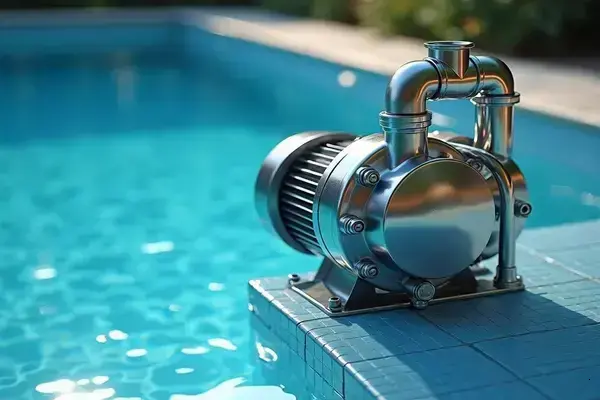
Let’s get something straight: the pump is the heart of your entire pool system. What does it actually do? Simple—draws water from the pool, pushes it through a filter, and returns the clean water back again. But that’s just the beginning. The way it moves water, how fast it works (flow rate), and even how long it runs each day defines everything from water clarity to monthly energy costs.
💡 Pro Tip: Industry standards from the Association of Pool & Spa Professionals suggest circulating all of your lap pool’s water at least once every 8 hours for healthy, sparkling results—don’t assume that ‘bigger’ is always better.
Now, lap pools have their own quirks. They’re narrower and longer than typical backyard pools. That means hydraulic design (the movement of water through the system) favors steady, even flow—not just high horsepower. You need a pump strong enough for proper circulation, but not so oversized that it wastes electricity or damages pipes over time.
Main Parts of a Lap Pool Pump System
- Strainer Basket: Catches leaves, hair, and big debris before it reaches the impeller.
- Impeller: The spinning core that creates water movement.
- Pump Housing: Encloses all working components, maintaining water pressure.
- Seals and O-Rings: Tiny but vital—prevent leaks that can burn out your motor.
In practice: imagine doing your morning laps just before work. A slow, humming pump means no surprise splashes, consistent temperatures, and clear water for every stroke. But when maintenance slips, flow weakens and tomorrow’s swim feels less welcoming—often with a greenish tint or gritty floor.
| Component | Purpose | Care Tips |
|---|---|---|
| Strainer Basket | Debris removal | Check and empty weekly |
| Impeller | Water movement | Unclog yearly or as needed |
| Seal/O-Rings | Leak prevention | Lubricate twice a season |
What actually works might surprise you—especially once you see which features really matter when it’s time to choose a new pump…
Key Features To Look For In Lap Pool Pumps
When you’re shopping for a pump, what really matters? Not the flashiest label or the highest price tag. The right features will save you from expensive headaches, silent water, and wasted energy.
Here’s the thing: the best lap pool pumps match your pool’s unique demands—not just general specs. Flow rate, energy efficiency, noise level, and material quality are your top priorities. Overlooking any of these can leave you with cloudy water or a system that fails in the heat of summer.
💡 Pro Tip: According to the U.S. Department of Energy, investing in ENERGY STAR certified pumps can reduce your pool electricity consumption by up to 70% compared to old single-speed models.
What To Consider For Lap Pool Pumps
- Flow Rate (GPM): Measured in gallons per minute, choose a pump that circulates your pool volume within 6-8 hours.
- Horsepower (HP): Bigger isn’t always better—oversized pumps burn through energy and can damage plumbing. Check the manufacturer’s recommended sizing chart.
- Energy Efficiency: Look for variable-speed or dual-speed options with high-efficiency motors.
- Noise Level: A quiet pump means peaceful mornings; check decibel ratings and seek out reviews mentioning silent operation.
- Materials & Build: Corrosion-resistant metals (like stainless steel) and UV-stabilized plastics extend pump life—especially for saltwater pools.
Picture this scenario: you install a top-rated pump without checking the noise specifications. A week later, your tranquil lap sessions are drowned out by an annoying rumble—one you can hear from your living room. That’s why balancing all key features, not just raw power, delivers real satisfaction over time.
| Feature | Why It Matters | Pro Tip |
|---|---|---|
| Flow Rate | Ensures full circulation, prevents algae | Calculate: pool gallons ÷ 8 (hours) = target GPM |
| Energy Efficiency | Lowers operating costs | Choose ENERGY STAR or variable-speed |
| Material Quality | Withstands chemicals/salt | Stainless steel and UV plastics last longer |
And this is exactly where most people make the most common mistake—deciding based only on horsepower, and ignoring smarter features that offer peace of mind for years to come…
Comparing Pump Types: Single-Speed, Dual-Speed, And Variable-Speed
Not all pool pumps tackle the job in the same way. You’ve probably heard about single-speed, dual-speed, and variable-speed pumps—but what makes each of them different, and which is actually right for your lap pool?
Here’s the truth: energy efficiency, long-term savings, and even noise levels are all tied to the type of pump you choose. Many buyers, lured by a lower upfront cost, accidentally lock themselves into steeper electricity bills—or a drone that kills the mood for a midnight swim. Choosing wisely now saves you stress and money, month after month.
💡 Pro Tip: According to the U.S. Environmental Protection Agency, variable-speed pumps can pay for themselves within two years in energy savings for many residential pools, especially if your pool is used daily or for long sessions.
Real-World Comparison: How Each Pump Performs
| Type | Pros | Cons |
|---|---|---|
| Single-Speed | Lowest initial cost, simple controls | Least efficient, loudest, costly to run long-term |
| Dual-Speed | Two selectable speeds, better energy use | More expensive than single-speed, less flexible than variable-speed |
| Variable-Speed | Highly energy-efficient, quieter, customizable for any schedule | Highest initial cost, may require digital controls |
Picture this scenario: you install a single-speed pump to save money upfront. By the end of your first summer, your electricity bill jumps—and the constant hum? It’s making your patio less relaxing than you’d hoped. A neighbor running a variable-speed model, meanwhile, swims any time they want, barely noticing when the system kicks on, and pockets the monthly savings for other upgrades.
- Single-Speed Pumps: These run at full throttle non-stop. That means more noise, and usually higher long-term costs. Ideal only for very small or infrequently used lap pools.
- Dual-Speed Pumps: They give you a low-speed option for filtration (saving energy) and a high-speed option for vacuuming or backwashing. Not as customized as variable, but a decent middle ground.
- Variable-Speed Pumps: Top picks for most modern lap pools. Adjustable to any flow rate, quiet, and designed to meet the latest efficiency standards from organizations like the U.S. Department of Energy.
But there’s one detail most owners completely overlook until it’s too late—routine maintenance demands can differ dramatically based on which pump type you go with…
Step-By-Step Maintenance For Peak Pump Performance
Ever worry your pool pump’s working overtime or—worse—not doing enough? Great news: a clear, repeatable maintenance routine can spare you the most common headaches, preserve your pump warranty, and even lower your energy bill.
Step-By-Step Lap Pool Pump Maintenance
- Turn Off Power: Always shut off the circuit breaker before doing anything. This keeps you, your pump, and your home safe.
- Empty The Strainer Basket: Pop off the pump lid and carefully remove the strainer basket. Dump debris (leaves, pebbles, bugs), rinse, and replace securely.
- Check For Clogs: Inspect both the intake and discharge lines for any gunk that blocks water flow—especially hair, twigs, or mineral chunks.
- Inspect And Lube O-Rings: Remove any visible O-rings, clean them gently, and apply a silicone-based lubricant to prevent cracking or leaks.
- Prime The Pump: Fill the pump housing with water before restarting. This simple step prevents dry runs, which fry motors faster than you’d expect.
- Monitor Performance: Listen for unusual sounds and check pressure gauges. Odd noises, drops in flow rate, or visible leaks mean it’s time to consult your manufacturer’s guide or a pro.
- Phillips screwdriver
- Silicone lubricant (pool safe)
- Garden hose
- Protective gloves
- Replacement O-rings (yearly or as needed)
⚠️ Important Warning: Never run your pump dry, even for a minute. According to the Pool & Hot Tub Alliance, this single mistake causes the majority of premature pump failures.
In practice: imagine your weekend swim cut short by cloudy water and a sputtering jet. You check the pump and discover a jammed basket—something a two-minute weekly check would have caught. Fast, regular steps always win over expensive repairs or frantic, last-minute fixes.
| Task | Frequency | Benefit |
|---|---|---|
| Clean strainer basket | Every week | Prevents blockages |
| Lubricate O-rings | Twice per season | Stops leaks |
| Check for clogs | Monthly | Maintains flow rate |
But what actually works to fix those odd pump sounds or sudden shutoffs might surprise you…
Troubleshooting Common Pool Pump Issues
Strange noises, slow water flow, or unexpected shutdowns — if you own a lap pool, these headaches have probably struck when you least expected them. The good news? Most pump problems are easier to solve than you might think, especially if you know what to look for and act quickly.
💡 Pro Tip: According to the Pool & Hot Tub Alliance, over half of all pump failures stem from minor maintenance lapses: a clogged basket, worn O-ring, or tiny air leak can snowball into major repairs if ignored for even a week or two.
In practice: Picture this scenario:
You return from vacation, eager for your first swim in days. Instead, you spot the pump just humming — but not pushing water. Closer inspection shows a dry pump basket and a brittle old seal allowing air into the system. Fifteen minutes with a garden hose and some fresh lubricant, and you’re back in business.
- Pump Won’t Start: Check the circuit breaker first. If it’s tripped, reset and see if the pump powers on. Still nothing? Inspect the timer or control panel for programming errors, then call an electrician if you smell burnt wiring.
- Weak Water Flow: Clean the strainer basket and filter; examine for debris or blockages in the pipes. Persistent problems might point to an impeller jam or a partially closed valve.
- Loud Noises: Rattling or screeching usually means something’s stuck inside — or it’s time to replace worn bearings or seals. Don’t let the racket linger.
- Pump Leaks: Water around the base? Replace worn O-rings and apply pool-safe silicone lubricant for a tight seal.
- Pump Loses Prime: Low water level or a cracked intake fitting may be letting air in. Top up the pool and check all hose connections.
| Issue | Likely Cause | Quick Fix |
|---|---|---|
| No Power | Tripped breaker, faulty timer | Reset breaker; check settings |
| Leak | Dried O-ring or cracked housing | Replace O-ring, patch crack |
| Noisy Pump | Debris, worn bearings | Clean, replace bearings |
Worth noting: while most issues are DIY-friendly, if electrical or motor repairs are needed, consult a certified technician for safety and to protect your pump warranty. The right habits in place now make everything easier from here.
Your Lap Pool Pump, Simplified
You’ve learned what really matters—from understanding pump basics to finding the features that actually matter for a lap pool. Now you know how to compare types confidently and keep your equipment running right. If you take just one thing from this pool pump guide lap pool, let it be: a well-matched, well-maintained pump is the real secret to water that’s always clean and inviting.
Before, your pump might have felt like a mystery box—noisy, finicky, or wasting energy. With these step-by-step tips, upkeep feels straightforward and troubleshooting isn’t a source of stress. Your daily swims can shine, and your weekends are yours again. Small tweaks now mean bigger savings—and peace of mind—down the road.
What’s still on your mind when it comes to pool pump care or upgrades? Share your biggest question in the comments! Let’s keep your lap pool at its best together.

Marcus Lee Whitmore is a lap pool enthusiast and aquatic fitness writer dedicated to helping homeowners plan, install, maintain, and train in their home lap pools. With years of hands-on experience managing his own lap pool and endless pool system, Marcus built Ldesw to be the honest, practical resource every lap pool owner deserves from day one.