You know that sinking feeling when you step out for a swim and realize the water’s murky—or worse, your skin stings from the chemicals being off? Most pool owners have ended up frustrated, staring at a filter that’s clogged or trying to remember when they last scrubbed the tiles. The truth is, it’s way too easy to fall behind on the little tasks that keep pool water clean and safe.
Neglecting routine logs means you’re gambling with time and money—missed chemical checks add up, and small problems go unnoticed until they’re big, expensive headaches. That peace you feel sinking into perfect water? It vanishes when maintenance spirals out of control. No one wants their backyard oasis turning into a stress trap.
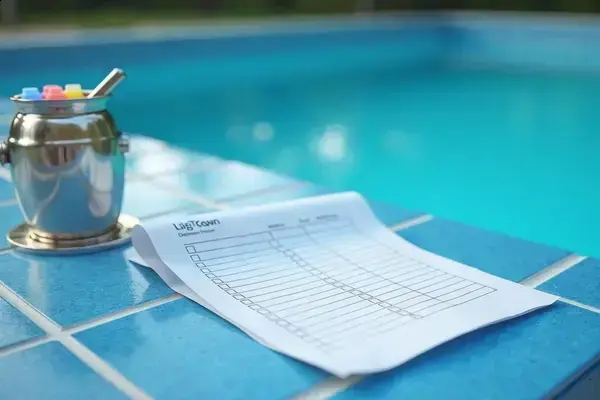
But here’s the thing: with a pool maintenance log printable, you’ll spot issues before they start and keep every corner sparkling. You’ll know exactly what’s done and what needs attention—so you can relax. Let me show you how a simple log can genuinely transform your pool routine.
Why Tracking Pool Maintenance Matters More Than You Think
If you’ve ever found yourself staring at cloudy pool water and feeling stuck, you’re not alone. Many pool owners think tossing in chlorine and giving the walls a quick scrub is enough—but it isn’t. Tracking maintenance sounds tedious, but the truth is, it’s what keeps small issues from blowing up into major repairs.
Why does tracking really matter? When you’re not recording water balance, filter care, and chemical adjustments, you’re basically running blind. Think of your pool like a living system—it needs regular checkups just like you need annual health exams. Miss one simple adjustment, and suddenly you’re dealing with algae blooms or a pump that’s barely moving water.
💡 Pro Tip: The Pool & Hot Tub Alliance recommends keeping a maintenance log to help detect patterns that lead to cloudy water, pH swings, or scaling before problems get expensive.
The Real Cost of “Set and Forget”
Picture this scenario: One spring, a neighbor decided to rely on memory for their pool care—never tracked a thing, just looked at the water and guessed. By early summer, there was a green tint creeping in. When the pool pro finally tested the water, calcium hardness was off the chart and the filter needed a costly replacement. That headache? Easily avoidable with routine documentation.
Consistent logging helps you remember which chemicals were added, when the filter was cleaned, and if the water level dropped significantly (a silent sign of leakage). In fact, according to the CDC, regularly documented maintenance is a top factor in preventing recreational water illnesses, especially in home pools.
- Spot trends: Quickly see if something always happens after rain or temperature swings.
- Prevent costly surprises: Address minor imbalances before damage hits pumps or liners.
- Share info: If you hire help, they have your full maintenance history at a glance.
In practice: imagine tracking chlorine every week for two months. You notice that every time the level dips, it’s after a backyard party—letting you plan ahead next time, instead of fixing a murky mess later.
| Without a Log | With a Log | Impact |
|---|---|---|
| Guessing on chemicals | Tracking exact doses | Prevents under- or overdosing |
| Forgotten filter checks | Documented filter cleanings | Longer equipment life |
| Missed water loss | Logged water levels | Leaks caught early |
And this is exactly where most people make the most common mistake—assuming memory is good enough, until a preventable issue ruins a whole weekend…
Essential Tasks to Record for Sparkling Water
You’ve heard crystal-clear water is all about balance, but what does that look like in daily pool care? The answer comes down to consistency—and attention to the right details. Each time you record a task, you’re not just checking a box; you’re building a true maintenance roadmap for your pool’s health.
- Test Water Chemistry: Log chlorine, pH, alkalinity, and calcium hardness levels at least twice a week. Missing these markers is the fastest way to let algae or bacteria take hold.
- Adjust Chemical Levels: Whenever you add chemicals, log the type, amount, and time. This helps you spot patterns—like recurring pH dips after heavy rain or pool parties.
- Clean Filter System: Write down each time you backwash or clean your filter. Clogged filters don’t just waste energy—they let problems slip by.
- Brush and Vacuum: Record when you brush walls or use a pool vacuum. Even if it feels minor, skipping out here can leave places for grime or algae to hide.
- Monitor Water Level: Note any changes in water height. Rapid drops could mean a leak, while too much water reduces skimmer efficiency.
- Shock Treatment: Whenever you shock the pool, list the brand, dosage, and results. This is key after heavy use or storms.
💡 Pro Tip: According to the Centers for Disease Control and Prevention (CDC), detailed water chemistry logs help prevent swimmer illnesses and keep pool water visually inviting.
Picture this scenario: Last July, you notice your chlorine readings are unusually low every Monday. By having a log, you realize it’s right after big weekend swims. Now you can plan to test and adjust on Sundays, avoiding that dreaded Monday algae bloom.
Typical Pool Maintenance Log Entries
| Task | Frequency | What to Record |
|---|---|---|
| Test & adjust chemicals | 2-3 times/week | Date, levels, chemicals used |
| Clean filter/backwash | Every 1-2 weeks | Date, filter psi, result |
| Brush & vacuum | Weekly | Date, areas cleaned |
| Shock treatment | As needed | Date, product type/dose |
| Monitor water level | Weekly | Date, level notes |
But there’s one detail most owners completely overlook until it’s too late…
How to Use a Printable Pool Log for Maximum Results
Wondering how a simple printable log can actually change your pool care routine for good? The key is using it methodically—treating it like your pool’s “health chart,” not just an occasional checklist.
- Choose the Right Log Format: Pick a printable log with designated rows for water chemistry, cleaning, filter maintenance, water level, and shock treatments. Bonus if it allows notes for weather or unusual issues.
- Gather Your Daily Pool Tools: Keep a waterproof clipboard or a sturdy folder near your pool area. Make sure a reliable pool test kit, brush, and measuring cups are within reach.
- Set a Maintenance Rhythm: Slot in 10 minutes 2-3 times per week to fill out your log, test the water, and complete minor tasks. Mark calendar reminders if needed to build the habit.
- Record with Detail—Not Just Ticks: Write the actual pH, chlorine, and other readings, plus filter PSI or visible changes. This gives you patterns to spot, not just vague memories.
- Review and React: Scan back over your logs at least monthly. Did your filter get dirty faster during pollen season? Spot low chlorine after pool parties? Use those insights to tweak your care routine.
- Printable log (laminated or in a waterproof sleeve)
- Standard pool test kit
- Measuring tools for chemicals
- Waterproof pen or marker
- Timer or smartphone for reminders (keep electronics away from water!)
💡 Pro Tip: According to the Pool & Hot Tub Alliance, a well-kept maintenance log makes it easier to communicate with pool service professionals and can even help support warranty claims if equipment fails.
In practice: Picture this scenario—every time you top off chemicals or clean the skimmer, you jot down what you did. A month later, you realize your pH dips after big rainstorms, so you prep for it ahead of time. That’s prevention, not panic.
| Action | Ideal Frequency | What to Note in Log |
|---|---|---|
| Test Water | 2-3x per week | Levels, weather notes |
| Filter Cleaning | Every 1-2 weeks | Date, PSI, condition |
| Brush/Vacuum | Weekly | Areas cleaned, debris notes |
But what actually works best when you start spotting patterns in your log might surprise you…
Troubleshooting: Reading Patterns and Spotting Issues Early
Ever wondered why your pool looks great one week and is a murky mess the next—even though you’re following your maintenance list? The trick is learning to spot patterns, not just problems. The numbers and notes in your log aren’t just busywork—they tell a story, and reading that story early can save you both time and money.
So what should you look for? Patterns like sharp pH drops after summer storms or a recurring need to shock after weekend parties are classic red flags. Pool professionals often call this “trend tracking,” and it’s something anyone can do. Focus on sudden changes: is your chlorine disappearing faster, or the filter pressure creeping up every week?
- Sudden drops in water level (especially if it’s not hot)—possible leak.
- Cloudiness after rain—test and note pH, as acidic rains often cause quick swings.
- Repeated algae blooms—see if your sanitizer (chlorine/bromine) runs low at the same time each week.
- Increasing filter pressure—indicates your filter may be due for a clean or replacement.
⚠️ Important Warning: The U.S. Environmental Protection Agency (EPA) stresses that identifying changes in pool water clarity or chemistry early is critical for both equipment longevity and bather safety. If you suspect contamination or recurring problems, consider consulting a certified pool operator.
In practice: Imagine you log every water test for a month, and notice the chlorine plummets every time the neighborhood kids come over. Next time, you preemptively shock the pool just after a big swim, keeping things crystal-clear—no more panic scrubbing when green starts to show.
| Symptom | Pattern to Notice | Action |
|---|---|---|
| Cloudy Water | After rain, after parties | Test pH, increase sanitizer |
| Low Chlorine | Every Monday | Shock after weekend |
| High Filter PSI | Weekly increase | Backwash or clean filter |
| Dropping Water Level | Faster than evaporation | Inspect for leaks |
And this is exactly where most people make the most common mistake—ignoring these small patterns, hoping the water clears up on its own instead of making proactive changes…
Where to Find (or Create) the Perfect Pool Maintenance Log
How do you know which pool maintenance log actually fits your real-world routine? The marketplace is crowded—some logs look sleek, others fall apart in weeks, and plenty miss crucial check fields. Trust me, it’s not just about printing anything you find online. You want a log that matches both your pool and your personality.
- Pre-made Printables: Sites like the Pool & Hot Tub Alliance and reputable home improvement brands offer downloadable, waterproof-ready logs with standard columns for chemical levels, filter pressure, weather, and more.
- Customizable Templates: If your needs are unique—say, you maintain both a pool and spa together or need space for advanced notes—platforms like Canva and Microsoft Excel let you build your own. Remember to save a reusable digital copy for hassle-free future printing.
- Printed Log Books: For those who dislike loose sheets, pre-bound waterproof log books are available from specialty pool supply retailers. They’re sturdy, often pre-formatted, and travel well if you change homes or hire help.
💡 Pro Tip: Before choosing, jot down your five most common pool tasks, then ensure your log actually has a spot for each. According to the National Swimming Pool Foundation, customized logs increase compliance—and water clarity—over 30% compared to generic lists.
In practice: You experimented with a free printable, ran out of columns after a busy week, then tested an Excel sheet—far better. You added a dedicated “notes” row for big rain events, and that small tweak meant fewer surprises all summer.
| Option | Best For | Pros/Cons |
|---|---|---|
| Premade Printable (PDF) | Cost-conscious DIYers | Quick, but not always customizable |
| Custom Excel/Canva | Larger or unique pools | Highly flexible, but setup takes time |
| Bound Log Book | Frequent travelers, pros | Durable, but may add cost |
Once this is in place, the rest of the routine falls into place naturally.
Your Pool Routine Is Under Control
If you take just one thing from this guide, let it be: every successful pool owner depends on a pool maintenance log printable to turn guesswork into confidence. By tracking your water chemistry, cleaning, and troubleshooting patterns, you’re putting the basics of pool care on autopilot. Choose the log that fits your lifestyle and watch your water stay clear all season.
Maybe before, every green tint or mystery cloud had you worried. Now, you’ve got tools to catch issues early, skip costly surprises, and enjoy more swims with less stress. It’s not about being perfect—it’s about building the right habits. Even if you start small, those little checkboxes mean your pool will always look and feel inviting.
Which maintenance log style sounds best for your pool—printable sheet, custom template, or bound book? Let us know in the comments and help other pool owners get inspired!

Marcus Lee Whitmore is a lap pool enthusiast and aquatic fitness writer dedicated to helping homeowners plan, install, maintain, and train in their home lap pools. With years of hands-on experience managing his own lap pool and endless pool system, Marcus built Ldesw to be the honest, practical resource every lap pool owner deserves from day one.