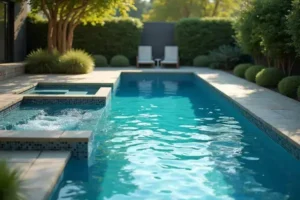
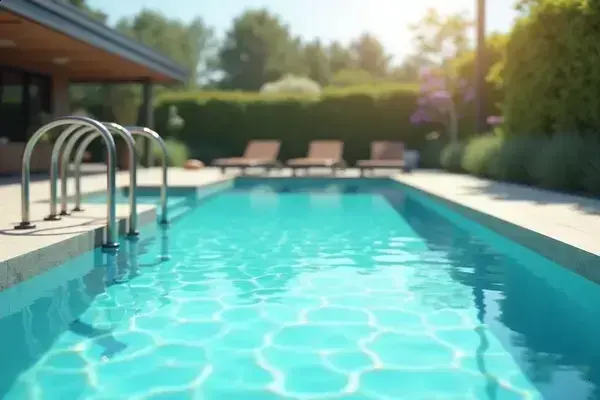
Picture this: you’re daydreaming about swimming laps in your sparkling new pool… then the installation bids roll in, and reality stings. Suddenly, those numbers feel a lot heavier than water—so what actually drives the price, and where do people usually underestimate the total cost?
If you miss key budget items or fall for the most common myths, you end up shelling out more than expected. Not just at installation, but with every water bill, repair, and upgrade down the road. It’s frustrating watching your “affordable” lap pool spiral into a money pit—especially when you just wanted a simple, elegant exercise solution at home.
By the end of this guide, you’ll know exactly what to expect in every line item for a lap pool cost guide budget. You’ll get clear, real-world numbers, smart ways to save, and confidence about investing in a pool that won’t break the bank. Ready to check the real math?
Breaking Down The Real Cost Components Of Lap Pools
When you hear ‘lap pool installation cost,’ what actually makes up that big number? It’s not just about digging a hole, filling it with water, and calling it a day. The truth is, your final price tag is a sum of multiple carefully (sometimes sneakily) separated components, each with distinct cost drivers—some you control, others you really don’t.
Here’s the thing: the core price is only the start. You’ll need to budget for:
- Site Preparation: Soil testing, grading, and access for heavy equipment—it gets expensive fast if the ground is rocky or sloped.
- Pool Shell & Materials: Concrete, fiberglass, or vinyl liner? Each has its own upfront and long-term costs.
- Filtration & Circulation Systems: Pumps, plumbing, and energy-efficient heaters or chillers (a must for year-round use).
- Permits & Professional Labor: Local building codes, certified installers—skipping professional work invites trouble down the road.
- Hardscaping & Decking: Premium materials (limestone, porcelain, composite) often run 20-40% of total installation costs.
💡 Pro Tip: According to the Association of Pool & Spa Professionals, installation labor and materials typically account for 50-60% of the entire budget. Ask for an itemized quote—never settle for a lump sum contract.
Major Lap Pool Cost Components Comparison
| Component | Typical Share of Total Cost | Notes |
|---|---|---|
| Pool Shell & Structure | 35-55% | Material type and pool size are main drivers |
| Site Prep & Excavation | 10-20% | Higher for sloped/rocky yards or tight access |
| Filtration & Electrical | 10-15% | Pumps, plumbing, wiring, automation systems |
| Decking & Hardscaping | 15-30% | Material quality and total area matter most |
| Permits & Professional Fees | 3-8% | Varies widely by municipality |
In practice: imagine a homeowner choosing between a basic vinyl shell ($90/linear foot) and a custom concrete pool ($250/linear foot). Add premium porcelain decking and top-shelf filtration—suddenly, the pool itself isn’t even half the cost!
Official sources like the National Swimming Pool Foundation emphasize that costs also fluctuate based on zoning, regional labor rates, and mandatory safety features. You’ll want to verify requirements with your local planning department—surprises here can delay projects for months.
But there’s one detail most owners completely overlook until it’s too late…
Factors That Impact How Much You’ll Spend
Why does your neighbor’s lap pool cost less (or more) than yours? The answer isn’t as simple as ‘bigger pool, higher bill.’ Multiple factors can push your lap pool’s price higher—or help you keep it in check. Some are within your control. Others, you just have to plan for.
The most overlooked influence? Location. Where you live dictates not just labor rates, but even which materials are code-approved or available in your market. City regulations in places like Los Angeles are famously strict—permitting alone might add thousands. Compare that to rural Texas, where rules are lighter and costs often drop.
- Pool Dimensions: Longer and deeper pools cost more in excavation, materials, and energy—it adds up fast with every extra foot.
- Material Selection: Concrete is flexible but costly; fiberglass keeps installments quick and maintenance lower over time. Vinyl can be budget-friendly but needs lining replacement every decade.
- Access & Excavation Difficulty: Tight backyards or heavily landscaped lots require specialty equipment and extra prep, increasing labor fees.
- Climate & Seasonal Factors: In cold climates, winterization and additional insulation spike costs. Hot areas demand high-efficiency chillers and UV-resistant finishes.
Major Cost Impactors Comparison
| Factor | Raises Cost | Lowers Cost |
|---|---|---|
| Urban Location | Higher labor, stricter permits | Rural/low-code areas |
| Obstructed Access | Specialty excavation | Open/flat site |
| Concrete Structure | Custom shapes, durability | Prefab fiberglass/vinyl options |
| Luxury Finishes | Porcelain tile, custom lighting | Standard plaster/tile |
💡 Pro Tip: According to the Pool & Hot Tub Alliance, asking your builder for a detailed cost breakdown and isolating climate-specific extras can save you from expensive surprises later.
In practice: picture this scenario—your neighbor chooses a prefabricated fiberglass shell, keeps their pool a modest 41 feet, and has a flat lot. Their total: $50,000. Meanwhile, you want 75 feet of heated concrete glory, but your hillside yard requires retaining walls. Now your bid balloons to $130,000.
Official guidelines from the National Swimming Pool Foundation suggest setting aside a 10-15% contingency budget for unknowns like soil issues or code changes. If you have any doubts on zoning or lawful construction, it’s always wise to consult a local professional before starting.
What actually works might surprise you…
Hidden Expenses You Shouldn’t Overlook
Think you’ve got your lap pool budget dialed in? Most soon-to-be owners focus on the big numbers—excavation, shell, decking—but here’s the hard truth: it’s the invisible expenses that turn a “great deal” into months of budget headaches. Hidden costs have a way of sliding in under the radar, and you’ll never see them listed on a glossy brochure.
- Utility Upgrades: You’ll often need new electrical circuits for pumps, upgraded gas lines for heaters, or higher-capacity water meters. These infrastructure tweaks easily add several thousand dollars.
- Soil Surprises: If the soil is unstable, rocky, or clay-heavy, contractors may require extra stabilization or bring in engineered fill materials—a fact that shows up in your bill after digging starts.
- Waste Removal & Hauling: Excavation generates mountains of debris. Hauling it away isn’t always included in the main quote, and landfill fees quickly stack up.
- Landscaping Restoration: Heavy machinery tears up more than just the pool footprint. Budget to replace sod, plants, or even irrigation lines damaged during installation.
- Safety Features & Fencing: In many areas, local codes require self-latching gates, pool alarms, or specific fencing. These aren’t just recommended—they’re mandatory, and non-compliance can result in hefty fines.
⚠️ Important Warning: According to the Association of Pool & Spa Professionals, post-project disappointment usually comes from overlooked secondary costs. Always ask your contractor for a complete worksheet detailing these extras before signing anything.
In practice: One homeowner in Arizona budgeted $80,000 for their sleek new lap pool. After factoring in a new electrical panel, removing 50 cubic yards of concrete debris, and reseeding most of the backyard, they landed closer to $96,000. Ouch.
Hidden Pool Expenses Checklist
- New electrical service or panel upgrades
- Increased water or energy bills
- Backyard grading and restoration
- Permit fees for fences and alarms
- Post-installation cleaning costs
And this is exactly where most people make the most common mistake…
Comparing Lap Pool Types And Installation Methods
Which lap pool suits your needs—and budget? The answer isn’t always obvious. You’ve probably seen custom concrete pools showing up in luxury home magazines, but what about fiberglass shells or vinyl-lined options? Each type carries its own pros, cons, and price quirks depending on your climate, property, and expectations for durability.
Here’s a head-to-head look at the three most common lap pool types homeowners actually choose:
| Type | Advantages | Drawbacks |
|---|---|---|
| Concrete (Gunite/Shotcrete) | Fully custom shapes & finishes; highly durable; suitable for sloped or restrictive lots | Highest initial cost & longest installation; requires regular surface maintenance |
| Fiberglass | Quick installation; smooth low-maintenance surface; energy-efficient | Limited shape/size selection; may require crane/lift for tight spaces |
| Vinyl Liner | Lowest upfront price; flexible shapes; gentle surface underfoot | Liner needs replacement every 8-10 years; not ideal for complex designs |
💡 Pro Tip: The Pool & Hot Tub Alliance suggests that fiberglass pools often offer the best balance of style, upkeep, and value for moderate budgets—but site access is critical, so always check logistics first.
Step-by-Step: Choosing & Installing a Lap Pool
- Define your main purpose (fitness, recreation, resale value, etc.).
- Assess your yard’s access and soil condition. Arrange a site survey with a licensed pool installer.
- Compare material longevity, annual upkeep, and customization features side-by-side.
- Request itemized bids from at least three licensed contractors with clear installation timelines.
- Review local building codes—some cities require additional groundwater barriers, safety alarms, or structural engineering for concrete.
- Finalize the contract with all extras (like winter covers or automatic cleaners) in writing.
In practice: picture this scenario—a homeowner in the Midwest picks a prefabricated fiberglass lap pool for fast installation before winter. The neighbor next door opts for a bespoke concrete model with mosaic tile and variable-depth lanes. One pays $65,000 in eight weeks, the other invests $110,000 in a process spanning three months. Their needs were different, but both ended up happy with their choices.
And honestly? The best method for you may hinge less on sticker price and more on how you want to use and maintain your pool for years to come…
Money-Saving Tips For Planning Your Lap Pool Project
Want a stunning lap pool without draining your finances? The truth is, you can make smart moves during planning that shrink costs without sacrificing quality or long-term value. It’s not just about picking the cheapest contractor—it’s about stacking savvy decisions from concept to final splash.
- Get Multiple Bids (In Writing): Request at least three itemized quotes. Costs vary widely depending on demand, builder reputation, and even supply chain hiccups.
- Prioritize Features: Break your dream list into “must-haves” and “nice-to-haves.” Focus your budget on shell size, durable filtration systems, and energy-efficient pumps before custom lighting, mosaics, or waterfalls.
- Opt for Prefab or Kit Pools: Prefabricated fiberglass or modular vinyl kits reduce both labor and installation time—often yielding 15-25% savings over fully custom concrete.
- Schedule Construction Off-Peak: Book your build during the builder’s off-season. Many offer winter discounts or incentives if you don’t need the pool finished by peak summer.
- Plan for Minimal Decking (Now, Add Later): Limit initial hardscaping. You can always expand patios or add luxury finishes once your finances rebound.
💡 Pro Tip: According to the National Swimming Pool Foundation, investing in a variable-speed pump can cut ongoing energy costs by 50-70% compared to a single-speed unit—savings that really add up year after year.
In practice: A family in North Carolina stuck to a basic shell, chose high-quality filtration over luxury tiles, and waited until fall for installation. Their savings: almost $20,000 less than the first all-inclusive bid—and they love their pool just the same.
- Review your financing options; some lenders offer special home improvement rates for energy-efficient pools.
- Discuss a future-proof plan with your builder—like pre-wiring for extras you may want later.
- DIY elements (fencing, landscaping) can make a meaningful dent in total costs if you’ve got the time and skills.
Once this is in place, the rest of the routine falls into place naturally.
Your Pool Budget Is Under Control
If you take just one thing from this lap pool cost guide budget, let it be: every smart dollar you plan now saves you big headaches later. Understand the true cost structure, watch for hidden fees, and pick the right build for your home. That’s the real shortcut to loving your new lap pool—without sticker shock.
At first, planning your pool probably felt overwhelming—so many numbers, so many choices, more hidden costs than you expected. Now you know exactly where your money goes, and you can make confident decisions. Less guesswork. More swim time. You’ve got control and the tools to make your vision work.
Which part of your pool budget did this guide help make clear? Got a trick for controlling costs, or a burning question? Share your experience in the comments!

Marcus Lee Whitmore is a lap pool enthusiast and aquatic fitness writer dedicated to helping homeowners plan, install, maintain, and train in their home lap pools. With years of hands-on experience managing his own lap pool and endless pool system, Marcus built Ldesw to be the honest, practical resource every lap pool owner deserves from day one.