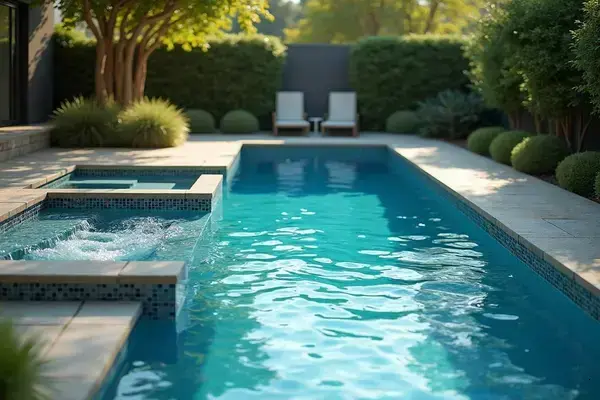
Picture this: you have a patch of yard and a dream of swimming at home—but which is smarter, the swim spa or the classic lap pool? Walking into this decision, it’s easy to hit a wall of options and rack up worries about cost, space, and what you’ll really use year-round. No one wants a pricey feature turning into a forgotten relic.
The truth is, it’s a puzzle that involves more than just choosing what looks coolest in a magazine spread. If you guess wrong, you could end up with a space hog you barely use, or a costly install that makes family finances tight. Not to mention months of delays, buyer’s regret, or a backyard that just doesn’t fit your real lifestyle.
By the end, you’ll have a clear, honest comparison centered on your needs, your space, and your budget—no sugarcoating. The ultimate swim spa vs lap pool guide is right here to help you dodge regret and make an empowered choice. You’re about to find out which one truly works for your world.
Understanding Swim Spas And Lap Pools: How They Work
Trying to wrap your head around the difference between a swim spa and a lap pool? You’re not alone — most folks confuse them, especially once the glossy photos come out. Here’s the truth: while both deliver the promise of daily aquatic workouts at home, their design, function, and installation couldn’t be more different. Let’s break it down.
A swim spa is essentially a compact, self-contained pool equipped with powerful jets that create a continuous water current. You swim in place, adjusting the flow to your fitness level. In contrast, a lap pool gives you actual distance — a long, narrow in-ground structure where you swim end-to-end, just as the pros do. The experience? One is like running on a treadmill (swim spa), and one is a track (lap pool).
💡 Pro Tip: The American Council on Exercise reports that swim spas can maintain temperatures up to 104°F, making them doubles — workout machines and hydrotherapy spas in one, unlike lap pools.
| Feature | Swim Spa | Lap Pool |
|---|---|---|
| Typical Size | 12-20 feet long, 7-8 feet wide |
30-50 feet long, 8-10 feet wide |
| Installation | Above-ground or partially in-ground; plug-and-play options | Fully in-ground; permanent construction |
| Water Flow | Adjustable jets (swim-in-place) | Traditional, swim end-to-end |
| Temperature Range | 80°F to 104°F | 78°F to 82°F (usually unheated or lightly heated) |
In practice: imagine setting up a swim spa on a reinforced patio. You’re swimming against the current, the jets whirring, twenty minutes from your first session after delivery. Next door, your friend is still waiting for permits on her 40-foot lap pool, digging up her lawn for weeks, hoping rain doesn’t delay concrete again.
Each option serves a different daily need. Swim spas are ideal for busy schedules, year-round use, and easy maintenance. Lap pools win for traditionalists who love uninterrupted laps and don’t mind a larger footprint or higher upfront cost. According to the Pool & Hot Tub Alliance, modern swim spa jets have become surprisingly strong—sometimes too strong for beginners—so test before you buy.
What actually works for your real life might surprise you…
Key Differences In Size, Installation, And Maintenance
If you’re looking at a swim spa and a lap pool side by side, what jumps out first — their sheer difference in size. But that’s just the start. Have you considered how installation shakes out? And ongoing maintenance? Each factor can make or break your project, especially when you factor in local building codes, budget, and how much free time you’re willing to give up for upkeep.
| Aspect | Swim Spa | Lap Pool |
|---|---|---|
| Average Size | 12–20 ft long; 7–8 ft wide |
30–50 ft long; 8–10 ft wide |
| Installation | Delivered ready, often above-ground Can be set up in one day |
Requires excavation Takes weeks or months |
| Maintenance | Self-contained, fewer gallons Easy filter swap, less debris |
Larger volume, more debris Frequent skimming & chemical checks |
Picture this scenario: your neighbor brings home a new swim spa. After delivery, it’s up and running by Saturday. You stop by a week later — and they’re already on a regular schedule with minimal fuss. Meanwhile, you’re halfway into a month-long dig for a lap pool, juggling noise, delays, and a sky-high disposal bill for all that dirt.
The Centers for Disease Control and Prevention (CDC) highlights that proper water chemistry and sanitation are critical in both setups — but swim spas, thanks to their compact, fully enclosed design, usually require less daily management than traditional pools. This makes a difference for busy folks who want low-maintenance fitness without sacrificing their weekends.
Maintenance tasks to expect:
- Weekly water quality testing
- Filter cleaning or replacement
- Surface skimming (mainly lap pools)
- Chemical balancing
- Long-term mechanical checks (jets, pumps for swim spas; filters, returns for lap pools)
💡 Pro Tip: Swim spa covers are vital — they trap heat, lower bills, and keep out leaves. Consider a lockable, insulated cover as recommended by the Association of Pool & Spa Professionals.
What actually works best isn’t always obvious. And this is exactly where most people make the most common mistake…
Comparing Costs: Upfront, Ongoing, And Unexpected Expenses
Here’s the thing: calculating the true cost of a swim spa or lap pool isn’t just about the price tag you see in the brochure. What about those ongoing utility bills? Or the surprise repairs? Breaking it down helps you avoid sticker shock—and financial regret—months after installation.
Upfront Costs: What You’ll Pay to Get Started
| Expense Type | Swim Spa | Lap Pool |
|---|---|---|
| Purchase Price | $15,000–$40,000 | $30,000–$70,000+ |
| Site Prep/Install | $1,000–$5,000 | $10,000+ |
| Permits/Fees | $200–$1,000 | $800–$2,000 |
Swim spas usually come turnkey. You might need an electrician or a concrete pad, but nothing extreme. Lap pools? Digging alone can eat five figures—and that’s before tile, fencing, or landscaping. Ask any pool builder: it all adds up.
- Electricity use: Swim spas may cost $40–$75/month to heat. Lap pools typically run $50–$150/month, depending on heater size, climate, and how often you’re heating a large body of water.
- Chemicals & cleaning: Smaller swim spas mean lower chemical and cleaning supply spend—$15–$25/month—while a large lap pool can easily double that amount.
- Repairs & long-term care: Spare parts for swim spa pumps aren’t cheap, but resurfacing a lap pool (every 10–15 years) can hit $7,000 or more. Those numbers matter if you’re budgeting for the long haul.
💡 Pro Tip: Set aside a 10% contingency fund on top of your pool or spa’s total budget. The National Association of Realtors notes that unforeseen expenses (cracked tiles, electrical upgrades, plumbing repairs) are almost inevitable in outdoor aquatic projects.
In practice: imagine Sarah, who chose a swim spa to keep initial costs predictable—but she found her winter heating bills surprisingly high that first year. Her neighbor built a lap pool and discovered that pool covers and solar heaters dramatically cut costs, but only after a season of near-daily use.
But there’s one detail most owners completely overlook until it’s too late…
Space Assessment: Measuring, Planning, And Fitting In Your Backyard
Wondering if a swim spa or lap pool will really fit in your yard? It’s one thing to fall for fancy photos. It’s another to step outside with a tape measure and map out the footprint. The fact is, a miscalculation here can throw off your dream setup—sometimes by thousands of dollars.
- Measure your usable space. Don’t just go fence-to-fence. Deduct setbacks, utilities, tree roots, and where you’ll walk.
Required items:- Measuring tape (50+ ft)
- Graph paper or backyard planning app
- Chalk or lawn flags
- Mark and visualize. Outline with flags or chalk exactly where the pool or spa would sit. Walk around it to check for crowding and access.
- Check local zoning codes. Some areas require several feet of clearance from your property line, or specific fencing for safety.
- Plan access for installation. Can a crane or builder reach your yard? Swim spas can fit through large gates—lap pools may need a driveway for heavy equipment.
- Consider surrounding comforts. Think about sun, shade, sight lines, and even neighbors’ views. Privacy screens or landscaping can make a big difference.
⚠️ Important Warning: The International Swimming Pool and Spa Code recommends a minimum barrier (usually a fence) and safe distance from overhead wires—never skip final inspection before you break ground.
In practice: one family wanted a 40-foot lap pool in their modest backyard, only to realize the city required a 5-foot setback from every boundary—slashing available space by almost a third. They chose a 16-foot swim spa, which left plenty of lawn for kids to play.
Getting this planning stage right not only avoids legal headaches, but also ensures you don’t have to tear up your landscaping twice. What actually works might surprise you…
Real-Life Scenarios: Which Option Makes Sense For Your Goals
How do you actually choose between a swim spa and a lap pool when both seem promising on paper? The truth is, it all comes down to your real lifestyle — not just wishful thinking. Consider how, when, and why you’ll use your investment, and you’ll quickly see there’s no universal answer.
| User Profile | Best Fit | Why |
|---|---|---|
| Busy Professional | Swim Spa | Compact size, fast heating, easy maintenance — ideal for short, daily workouts and stress relief. |
| Competitive Swimmer | Lap Pool | Full-length laps, regulated water depth, and training realism. |
| Family with Kids | Swim Spa | Adjustable current for different abilities, integrated safety features, doubles as hot tub. |
| Social Hosts | Lap Pool | Room for pool parties, flexible for games, adds luxury flair to gatherings. |
Picture this scenario: Jane, a mom of three, picked a swim spa with a built-in LED waterfall and insulated cover. She runs the current low for her youngest, higher for herself post-work, and uses the spa mode on cool nights. Her brother — an aspiring triathlete — swears by his custom 40-foot lap pool for turn training and timing drills.
- Active rehabilitation? Swim spas offer therapy jets and warm water, as recommended by the Aquatic Exercise Association, making them favorite recovery tools for injuries or arthritis.
- Year-round use? Swim spas operate in winter with minimal heating costs, while lap pools in cold climates may go unused half the year unless you splurge on a heater and cover.
- Property value? According to the National Association of Realtors, well-integrated lap pools can boost home resale, especially in warmer markets — but swim spas also add appeal for buyers seeking wellness features.
💡 Pro Tip: Before you decide, spend a test session at a local aquatic retailer or fitness center. Actually swimming in both will tell you more than a dozen online reviews ever could.
The right habits in place now make everything easier from here.
Your Perfect Pool Starts Here
If you take just one thing from this swim spa vs lap pool guide, let it be: the right choice isn’t about “best overall” — it’s about what truly fits your space, your routine, and your real goals. Know the differences in installation, cost, and daily use. Plan carefully, and you’ll avoid regrets down the line.
Before reading, you might’ve pictured just a pretty pool photo and a lot of questions. Now? You see the whole path — from space assessment to budgets, to picking what delivers for your lifestyle. It’s not just about swimming. It’s about feeling confident and excited about your decision, every single day.
Which option do you think would make your home feel complete — a swim spa or lap pool? Share your story or your “aha” moment in the comments below!

Marcus Lee Whitmore is a lap pool enthusiast and aquatic fitness writer dedicated to helping homeowners plan, install, maintain, and train in their home lap pools. With years of hands-on experience managing his own lap pool and endless pool system, Marcus built Ldesw to be the honest, practical resource every lap pool owner deserves from day one.