Ever dipped your toes in the pool only to wonder why the water isn’t as sparkling as you’d hoped? Cloudy water happens often, and—let’s be real—it kinda dulls the thrill of a swim. Most people don’t realize just how quickly a neglected filter can turn your peaceful lap pool into a murky mess.
If you’ve ever put off cleaning the filter, you already know what comes next: water gets cloudy, gunk builds up, and soon you’re spending more time trying to fix the problem than enjoying your pool. The stress, the wasted chemicals, the time—it adds up. Nobody signs up for a pool just to babysit grimy filters.
By the end of this guide, you’ll know exactly how to tackle your lap pool filter guide how to clean—from signs it’s time for TLC to easy-to-follow instructions and tips for keeping that water clear all season. Ready for less fuss and more laps? Let’s get started.
Why A Clean Pool Filter Matters For Water Quality
Cloudy, murky pool water makes even the finest lap pool feel more like a pond than a sanctuary. But here’s a fact most pool owners overlook: about 80% of persistent water clarity issues come down to one culprit — a neglected filter. You might be spending hundreds on chemicals, but if your filter’s struggling, your pool will too.
Why does a clean filter matter so much? It’s the only barrier between your pool and everything that floats, blows, or swims into it. Dirt, pollen, body oils, sunscreen, even microscopic algae spores — every lap leaves traces behind. The filter traps these impurities so your sanitizer works efficiently and your water stays dazzling. Skip maintenance, though, and those trapped particles clog up fast, turning your pool into a cloudy headache.
💡 Pro Tip: According to the Pool & Hot Tub Alliance, a well-maintained filter can reduce sanitizer use by up to 50%, saving both money and effort while helping your water sparkle.
In practice: imagine two neighboring lap pools, same pump, same routine, but Pool A has a filter cleaned every three weeks, while Pool B waits an entire season. By mid-July, Pool A is crystal-clear with minimal chlorine smell. Pool B — despite constant shock treatments — struggles with cloudiness and algae blooms. That’s not luck; it’s filter efficiency.
- Removes Fine Particles: Sand, dust, and organic debris are caught before they can cause haziness.
- Prevents Algae Growth: By trapping spores early, you stop blooms before they start.
- Supports Health: Fewer contaminants mean fewer pathogens in every swim.
- Boosts Equipment Life: A clean filter keeps pumps and heaters running smoothly, sparing you costly repairs.
| Filter Status | Water Clarity | Sanitizer Needed |
|---|---|---|
| Clean | Sparkling, clear | Low |
| Moderately Dirty | Slight haze | Medium |
| Heavily Clogged | Cloudy, foul odor | High |
The truth is, your pool’s filter is the silent guardian of water quality — one you can’t afford to ignore if health, safety, and pure swimming joy matter to you.
But there’s one detail most owners completely overlook until it’s too late…
Common Signs Your Pool Filter Needs Attention
Ever notice your pool suddenly looking a little dull, even after you’ve run the pump all day? That subtle change isn’t just a trick of the light—it’s your pool filter quietly sending an SOS. Too often, owners shrug off these early warnings, assuming they’re just a fluke or a chemical imbalance. But the truth is, most filter problems start small and only get harder (and pricier) to fix if ignored.
- Cloudy or hazy water: When fine particles start slipping through, clarity drops. If sanitizer levels test normal but the water won’t clear, your filter could be to blame.
- Reduced water flow: Weak return jets or barely moving surface water? Check your pressure gauge. A sudden jump usually means the filter’s clogged with debris.
- Frequent need to backwash or rinse: If you’re cleaning the filter every week and still not seeing improvement, internal buildup may be the culprit.
- Unusual noises from the filtration system: Grinding, gurgling, or rattling sounds often point to trapped debris or forced water flow as the system struggles.
- Visible debris returning to the pool: A sure-fire sign something’s up—either the filter media is saturated, damaged, or seals and laterals have failed.
⚠️ Important Warning: According to the Centers for Disease Control and Prevention (CDC), poor pool maintenance and filter neglect are significant contributors to recreational water illnesses. If you’re unsure, always consult a certified pool technician for issues potentially impacting health and safety.
Picture this scenario: You open your lap pool for an evening swim. The water looks cloudy with fine floating “dust,” but today, the returns feel sluggish. You clean the skimmer, test your chemicals, and everything checks out—except the filter pressure gauge, which is reading way higher than last month. That’s a classic sign the filter is overdue for a deep clean or replacement cartridge.
| Warning Sign | Usual Cause | Action Needed |
|---|---|---|
| Cloudy water | Clogged, worn, or broken filter media | Inspect, rinse, or replace filter |
| Low circulation | Obstructed flow or dirty filter | Check for blockages |
| Visible debris returns | Damaged or full filter grid/cartridge | Service or upgrade filter part |
And this is exactly where most people make the most common mistake…
Simple Step-By-Step Instructions For Cleaning Filters
Worried you’ll mess it up or miss a step when cleaning your pool filter? Don’t be. Anyone can manage this routine with a little patience and some elbow grease. Keeping your filter clean is the single smartest move for clearer water and a longer-lasting pump—plus, it’s a chore you’ll actually get faster at every time you do it!
- Garden hose with spray nozzle
- Soft-bristle brush
- Manufacturer-approved filter cleaner
- Bucket (for soaking cartridge or grids)
- Latex or nitrile gloves
- Owner’s manual (for specs and troubleshooting)
- Turn Off the Pump: Don’t take chances here. Make sure all power to your filtration system is shut off before touching anything.
- Release Pressure: Open the air relief valve (usually on top of the filter housing) to release pressure from the system. A sudden hiss is normal—don’t flinch.
- Remove the Filter: Depending on your model, loosen the clamp or open the tank and carefully pull out the cartridge, sand, or DE grids. Set aside parts gently so nothing cracks or warps.
- Rinse Thoroughly: Use your hose to wash away debris, spraying between pleats or across grids. For sand filters, use the backwash setting according to instructions.
- Deep Clean (as needed): Soak cartridges or grids in a cleaning solution for the time listed on the label. This step cuts through oily buildup and stubborn gunk that plain water misses.
- Inspect and Reassemble: Look for cracks, mushy spots, or worn ends. Replace damaged components—resist the urge to push your luck. Reassemble filter housing, close clamps/bolts, and reset air valves per your owner’s manual.
- Restore Power & Monitor: Turn everything back on. Watch for leaks and check the pressure gauge—it should return to its normal baseline.
💡 Pro Tip: The Pool & Hot Tub Alliance recommends cleaning most filters every 4-6 weeks under normal use. Set a recurring reminder—your water (and wallet) will thank you.
In practice: A Saturday morning spent with gloves, a hose, and mild cleaner has saved many pool owners from murky water emergencies during summer heatwaves. You’ll never regret staying ahead of maintenance.
What actually works might surprise you…
Recommended Cleaning Tools And Safe Products
How do you know which cleaning gear actually matters—and what’s just marketing fluff? Here’s the thing: with the right tools and safe products, filter cleaning takes minutes instead of hours. But using the wrong cleaner can damage your filter media, void warranties, or even introduce unwanted residues into your pool.
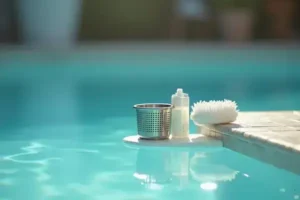
- Garden Hose with Adjustable Spray Nozzle: A basic but essential tool for rinsing out dirt and debris from every fold and crevice.
- Soft-Bristle Filter Brush: Loosens stubborn grime without tearing delicate pleats. Many pool pros recommend skipping stiff brushes—they cause more harm than good.
- Cartridge Filter Cleaner Solution (NSF-Certified): Look for brands like Pleatco FilterWash™, Bio-Dex Filter Cleaner, or Jack’s Magic Filter Fiber Cleaner. These break down oils and scale safely, without harsh acids or chlorine bleach.
- Large Bucket or Soaking Bin: Deep cleaning cartridges or grids needs a container big enough for full submersion during soaking cycles.
- Protective Gloves: Always wear gloves, especially when using any chemical—even if labeled as “biodegradable” or “eco-friendly.”
| Tool/Product | Purpose | Safety Notes |
|---|---|---|
| Hose Nozzle | Remove loose debris | Never use pressure washer |
| NSF-Certified Cleaner | Break down oils/minerals | Follow dilution directions exactly |
| Filter Brush | Dislodge stuck particles | Use soft bristles only |
💡 Pro Tip: According to the Association of Pool & Spa Professionals, you should never substitute kitchen soaps or regular detergents—they add phosphates and surfactants that can interfere with pool chemistry and filtration.
In practice: Picture this scenario—your filter’s overdue for a deep clean, so you grab dish soap in a pinch. The result? Sudsy returns, slippery water, and a chemistry headache that takes weeks to fix. Sticking with pool-specific cleaners ensures both your water and equipment stay in top condition.
And this is exactly where most people make the most common mistake…
How Often Should You Clean And Maintain Your Pool Filter
How often does your pool filter really need attention? It’s one of the most debated topics among pool owners, and honestly, there’s no one-size-fits-all answer. The truth is, your cleaning frequency should match your pool’s actual use, water quality, and the type of filter you have—not just what the calendar says.
| Filter Type | Typical Cleaning Interval | Expert Guidance |
|---|---|---|
| Cartridge | Every 4–6 weeks | Rinse with hose, deep clean every 2–3 months |
| Sand | Backwash every 1–2 weeks | Change sand every 5 years |
| Diatomaceous Earth (DE) | Backwash every 1–2 weeks | Complete teardown once per season |
Picture this scenario: It’s mid-summer, and your lap pool hosts daily swims, a few neighborhood pool parties, and maybe even some messy thunderstorms. Suddenly that 4-week schedule isn’t enough—debris builds up fast, pressure readings rise, and water clarity drops. That’s why professional guidelines, like those from the Pool & Hot Tub Alliance, always stress adjusting to real-world conditions, not just routine.
- Heavy use? Clean more often, sometimes every 2–3 weeks.
- Light use or off-season? You might stretch intervals a bit, but never skip periodic checks.
- Notice pressure rising 8–10 PSI above baseline? That’s your sign to clean immediately—regardless of your timer.
💡 Pro Tip: Mark the pressure gauge reading after a fresh filter clean. Whenever it’s 8–10 PSI higher, it’s time to clean—even if it feels ahead of schedule.
Ultimately, developing a habit of checking water clarity, circulation strength, and filter pressure is smarter than following a rigid calendar.
Small steps, repeated consistently, make the biggest difference over time.
Your Pool’s Clean Future Starts Now
If you take just one thing from this lap pool filter guide how to clean, let it be: a little routine care is the fastest way to clear, healthy water and fewer headaches. Remember the signals your pool gives you, choose the right tools and products, and stick to a cleaning schedule that matches real life—not just a calendar.
It used to be stressful, guessing what your filter needed or always reacting to green or cloudy water. Now, things are different. You know what to look for, you know what to do, and you’ve seen how tiny habits make pool care easier week after week. The power’s in your hands.
What’s the biggest pool filter problem you’ve tackled—or are still trying to solve? Share your story in the comments below. Your next swim could be your best yet.

Marcus Lee Whitmore is a lap pool enthusiast and aquatic fitness writer dedicated to helping homeowners plan, install, maintain, and train in their home lap pools. With years of hands-on experience managing his own lap pool and endless pool system, Marcus built Ldesw to be the honest, practical resource every lap pool owner deserves from day one.