Imagine this: you’re finally ready to build your dream lap pool, but boxes start piling up, deliveries arrive out of order, and—suddenly—your stress level matches the waterline. All that excitement? It fades fast when you’re buried under paperwork, missed steps, and surprise costs that keep popping up. Planning without a solid checklist isn’t just risky—it can turn the whole project upside down, leaving you knee-deep in delays (and not the kind you swim in). Here’s the thing: by the time you finish reading, you’ll have a rock-solid lap pool setup checklist printable that guides you through the choices, prep work, tools, and timeline—so your installation feels like smooth sailing from start to splash. Ready to dive in? The essentials come first.
Key Decisions To Make Before Pool Installation
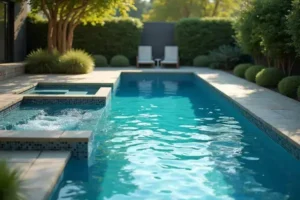
Before breaking ground on your lap pool, you face some major forks in the road. Do you want a classic in-ground pool, or does an above-ground lap pool suit your space and budget? The right foundation now means fewer regrets later.
Here’s the thing: skipping these early decisions—like pool length, width, location, and even the finish—can send costs spiraling or force mid-build compromises. Are you hoping for daily exercise or a sleek architectural statement? Thinking this through sets you up for a smoother project and easier approvals.
- Type & Dimensions: Most lap pools are 40–75 feet long and at least 8 feet wide. In-ground versions offer permanence but higher costs; above-ground models are easier to install and move.
- Material Selection: Fiberglass, concrete, and vinyl each bring unique maintenance needs and price points. Fiberglass pools from Latham Pool Products, for instance, simplify cleaning and need fewer chemicals.
- Location & Orientation: Sun exposure, nearby trees, and wind patterns affect maintenance and heating bills. Place the pool away from heavy foliage to avoid constant skimming.
💡 Pro Tip: The Centers for Disease Control and Prevention recommends a minimum depth of 4 feet for lap swimming to ensure safety and reduce injury risk—don’t skimp here.
Picture this scenario: you dream of early morning laps, but midway through planning, realize the pool will be shaded by the neighbor’s garage eight months a year. Suddenly, you’re considering costly heating systems you hadn’t budgeted for. The National Swimming Pool Foundation’s guidelines stress the importance of a site analysis before signing any contracts.
| Decision | Options | Impact |
|---|---|---|
| In-ground vs. Above-ground | Permanent / Portable | Cost, Time, Resale Value |
| Material | Concrete, Fiberglass, Vinyl | Longevity, Maintenance, Feel |
| Location | Sunny / Shaded / Windy | Cleaning, Heating, Comfort |
And this is exactly where most people make the most common mistake—ignoring a site analysis and finding out the hard way. Ready to tackle the legal and logistical steps that come next?
What Permits And Site Preparations Are Required?
Ever wonder why so many home pool builds stall for weeks right after the first shovel hits the ground? It’s usually because of permits or oversights in grading and soil checks—issues that seem small at first, but can grind everything to a halt.
Permits aren’t just paperwork. They’re your golden ticket to a legal, insurable pool that’s safe for everyone. Nearly every city or township in the U.S. requires building permits, and often electrical and plumbing ones, too. Check your local government website or call the building department directly—requirements can differ block to block.
- Building Permit: Validates pool location, size, and setback rules.
- Electrical Permit: Covers all pumps, lights, and wiring for safety—per National Electrical Code, enforced by most states.
- Plumbing Permit: Needed if your lap pool gets a dedicated fill or drain line, especially with auto-fill or solar heating features.
⚠️ Important Warning: Skipping a soil test or survey? It can lead to failed inspections or, worse, foundation cracks down the road. Consult a licensed site engineer before excavation.
- Request plot plans and survey your property lines.
- Apply for all required permits—be sure you have accurate plans and specs before submitting your application.
- Schedule utility locates. You don’t want a backhoe cutting through gas or water lines.
- Clear the build area of debris, roots, and (if required) older structures.
- Conduct a professional soil analysis to check for groundwater or load-bearing issues.
- Grade the site for proper drainage—no one wants rain turning your dig site into a pond.
In practice: Imagine investing weeks into planning your pool, only to hit a full stop when the inspector finds your build three feet over the setback line. The Association of Pool & Spa Professionals (now Pool & Hot Tub Alliance) recommends double-checking setback rules before any dirt moves—violations can mean costly redos or denied approvals.
| Permit Type | Required For | Who Issues |
|---|---|---|
| Building | All new pool structures | City/Town Building Dept |
| Electrical | Pumps, lights, wiring | Municipal Electrical Inspector |
| Plumbing | Water supply/drainage | Health or Building Dept |
But there’s one detail most owners completely overlook until it’s too late—how future inspections and insurance depend on pulling the proper permits from the start…
Materials, Tools, And Equipment You Absolutely Need
What’s the real difference between a lap pool project that goes smoothly and one that’s all frustration? Honestly, it starts with the right materials and gear—because when you cut corners or grab whatever’s cheapest, you just end up paying more in repairs and wasted weekends.
Here’s the truth: pool construction is like a recipe. Each ingredient—whether that’s rebar, tile, or a specialty pump—must be correct for the conditions, or the whole build can go sideways. You need to pick brands and models suited to your soil, sun, and water volume, not just what’s available on the warehouse shelf.
- Pool Shell Materials: Concrete (long-term durability), fiberglass (easy care), or vinyl liner (cost-effective, flexible design).
- Pumps and Filtration: Consider variable speed pumps (like Pentair IntelliFlo), cartridge or sand filters, and energy-efficient heaters (such as Hayward Universal H-Series).
- Hand Tools: Level, trenching shovel, and masonry trowel—these are your core lineup for prep and finishing.
- Specialized Equipment: Laser level, soil compactor, and wet saw for precise cuts and sturdy base work.
💡 Pro Tip: Don’t forget the water quality test kit—certified by the National Sanitation Foundation—to spot imbalances before they cause staining or corrosion.
- Mark layout using a laser level and masonry string.
- Excavate the pool footprint and compact soil with a plate compactor.
- Install rebar or formwork for framing the walls and floor.
- Place plumbing and electrical lines per plan—always use conduit rated for buried outdoor use.
- Set up pool pump, filter, and skimmer box before shell work begins.
Picture this scenario: You skip the plate compactor, thinking it’s an extra expense. By next year, a section of the pool deck starts cracking. The Association of Pool & Spa Professionals cautions that improper base compaction is among the top causes of settling and future leaks in new pools.
| Component | Best Use | Top Brands |
|---|---|---|
| Concrete | High-traffic, long-lasting pools | Sakrete, Quikrete |
| Fiberglass Shell | Quick install, low maintenance | Latham, Leisure Pools |
| Variable Speed Pump | Energy saving, quiet | Pentair, Hayward |
| Sand Filter | Large volume filtration | Hayward, Pentair |
What actually works might surprise you—one common tool is missing from most shopping lists and can be the difference between a smooth install and months of frustration…
Step-By-Step Process For Setting Up Your Lap Pool
Think building a lap pool is too complicated? With a clear step-by-step plan, it suddenly becomes way less intimidating. The trick is breaking each phase down and knowing what comes next—because “hoping it all works out” just leads to stress (and expensive missteps).
- Technical pool plans approved
- Contractor and inspection schedule locked in
- All required materials and permits on site
- Weather forecast double-checked (don’t underestimate this!)
- Mark and Excavate: Define the pool outline with stakes and string, then excavate to the planned depth and shape—allowing extra for the base and plumbing.
- Grade and Compact Base: Use a soil compactor to get a sturdy, level foundation. No cutting corners here; the pool’s stability depends on it.
- Install Plumbing and Electrical: Lay out drains, returns, skimmers, and wiring per your blueprint. Try to keep all lines easily accessible for future maintenance.
- Install Shell or Formwork: Position the fiberglass shell or build concrete forms, checking alignment every few feet. Minor shifts now cause major headaches later.
- Backfill and Set Utilities: Add gravel or sand for drainage, then backfill around the shell and connect all plumbing, electrical, and filter units.
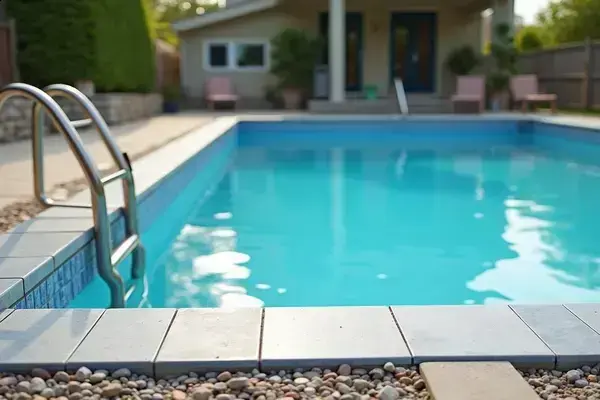
- Tile, Coping, and Decking: Finish the pool edge and adjoining surfaces. This is where your lap lane comes to life—choose non-slip surfaces for safety.
- Final Inspection and Fill: Have authorities review everything before you add water. Inspections protect your investment and are often required by insurers, per the National Swimming Pool Foundation.
💡 Pro Tip: Always take photos before each step is covered up—especially plumbing and conduit runs. Local inspectors and future contractors will thank you, and it could save days if you ever need to diagnose a leak.
In practice: Picture this scenario—Sarah’s pool was nearly finished, but skipping the final soil compaction left one corner uneven after just a few months. Going back to fix it cost twice the original labor—so double-check everything at each step.
But there’s one detail most owners completely overlook until it’s too late…
Printable Checklist To Streamline Every Task
Why risk forgetting a crucial task when you could have it all organized in one page? A printable checklist does more than just tick boxes—it makes your entire lap pool build less stressful and way more efficient. No missed steps, no ‘did I remember this?’ anxiety. Every detail is tracked from start to finish.
| Section | What To Check Off | Frequency |
|---|---|---|
| Planning | Decide pool type, measure site, get permits | One time |
| Preparation | Order materials, clear and mark ground | One time |
| Excavation | Inspect depth, check soil, prep base | Each phase |
| Installation | Set plumbing, install shell, place coping | Step-by-step |
| Finishing | Final inspection, fill pool, test water | Step-by-step |
💡 Pro Tip: Keep a laminated copy of your checklist near the project site and use a waterproof marker—weather, mud, and the inevitable splash won’t slow you down.
- Customizable Fields: Date, responsible person, special notes
- Update Rhythm: Mark off daily or after each completed step
- Storage Tip: Hang it in a visible spot—shed wall or garage door works great
- Best For: DIYers, project managers, or homeowners who want control and peace of mind
In practice: Picture this scenario—a homeowner named Miguel thinks he’s got it all memorized, but the liner install slips his mind until late delivery sends every trade off schedule. The Pool & Hot Tub Alliance recommends dedicated documentation for every major pool project to reduce costly delays and maintain a safe, well-managed site.
The right habits in place now make everything easier from here.
Your Lap Pool, Step by Step
You’ve planned, prepped, and learned how to organize every detail—even the tricky permit hurdles. If you take just one thing from this lap pool setup checklist printable, let it be: a written plan keeps the whole project calm, on track, and free of last-minute surprises.
Before, building a lap pool felt overwhelming, with endless decisions and risks lurking behind every phase. Now, you know exactly what materials to choose, when to schedule each task, and how to avoid the mistakes pros warn about. You can enjoy the process—not just the result. There’s confidence in every step.
What part of your lap pool setup feels the most daunting—or exciting? Share your next move or your top question in the comments below. Let’s make sure your first swim is as smooth as your checklist!

Marcus Lee Whitmore is a lap pool enthusiast and aquatic fitness writer dedicated to helping homeowners plan, install, maintain, and train in their home lap pools. With years of hands-on experience managing his own lap pool and endless pool system, Marcus built Ldesw to be the honest, practical resource every lap pool owner deserves from day one.