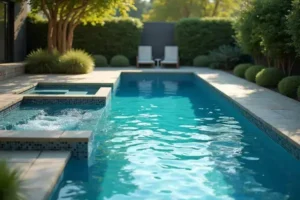

Imagine stepping into your lap pool on a chilly morning—hoping for that refreshing swim—only to feel the bite of cold water chase you right back out. Not a great start, is it?
The truth is, many pool owners keep their lap pools too cold simply because they fear massive energy bills. It feels like you have to pick between comfort and cost, and most folks just settle for water that’s never really inviting.
By the end of this guide, you’ll know exactly which lap pool heating guide options work, what each truly costs, and proven tricks to enjoy warm, inviting water all year—without a single eye-watering bill. Ready to make cold swims a thing of the past?
Why Lap Pool Heating Matters More Than You Think
Most people think heating a lap pool is just about comfort — but it’s actually a decision that shapes how often you’ll use your pool, impacts your health, and even affects property value. Skip the right setup, and you’ll limit your pool to just a few warm months each year. That’s wasted potential.
Here’s the thing: lap pools are designed for serious swimming, not just occasional lounging. Consistent water temperature — usually between 78°F and 82°F for exercise, according to the U.S. Masters Swimming guideline — keeps muscles flexible, prevents cold shock, and cuts your recovery time after every swim. If you let your pool dip much lower, not only does it become a mental hurdle to get in, you also increase risk of cramps and injuries.
💡 Pro Tip: Consistent heating keeps your pool surfaces and equipment in better shape long-term, reducing the odds of cracking or costly repairs. The Association of Pool & Spa Professionals notes that proper temperature stability prevents tile grout damage and extends the life of pumps and filters.
Picture this scenario: It’s a crisp autumn morning. You want to squeeze in a few laps before heading to work. The air is cool — and the pool, unheated, is even colder. You hesitate, maybe tell yourself you’ll swim tomorrow instead. Now imagine the same morning, but your pool holds steady at 79°F. You glide right in, workout complete, and your day starts strong.
And it isn’t just about you. If your goal is year-round fitness or you’re sharing the pool with family, dependable heating means fewer “no swimming” days, less energy wasted on reheating, and more value from every dollar you’ve spent installing that pool in the first place.
| Lap Pool Concern | Without Reliable Heating | With Consistent Heating |
|---|---|---|
| Usage Months Per Year | 3–6 (seasonal only) | 9–12 (year-round) |
| Health Risks | Muscle injuries, cold shock | Reduced injury risk, steady progress |
| Equipment Longevity | Faster wear, more repairs | Fewer repairs, longer lifespan |
So, heating isn’t just a luxury — it’s the key that unlocks full use and enjoyment of your investment. But there’s one detail most owners completely overlook until it’s too late…
Breaking Down the Most Popular Pool Heating Options
When you’re deciding how to heat your lap pool, it feels like every option comes with its own promises—and its own price tag. The real secret? What works brilliantly for one homeowner might be a total money sink for someone else. So, what’s actually out there?
You’ll see three main contenders: gas heaters, electric heat pumps, and solar pool heaters. Each brings unique benefits and trade-offs regarding cost, reliability, and eco-friendliness. Let’s make these options tangible:
| Heater Type | Strengths | Key Considerations |
|---|---|---|
| Gas Heater | Fast heating, works in any climate, ideal for occasional use | High energy cost, frequent maintenance, fossil fuel use |
| Electric Heat Pump | Energy efficient, steady temperature, moderate operating cost | Slower to heat up, needs mild/warmer air, higher upfront cost |
| Solar Pool Heater | Lowest cost over time, eco-friendly, government rebates often available | Requires sunny location, variable output, larger space needed |
💡 Pro Tip: According to the U.S. Department of Energy, pairing a solar cover with any heater type can cut heat loss by up to 70%—dramatically improving efficiency, especially overnight.
In practice: imagine two neighbors with similar lap pools. One installs a gas heater and loves the quick heat for morning swims, but flinches when the monthly utility bill arrives. The other chooses a heat pump, gets reliable warmth most months, but notes it struggles a bit during colder spells. Down the block, someone with a large sunny yard invests in solar collectors; their pool’s a bit cooler on cloudy days but costs almost nothing to run after installation is paid off.
- Gas heaters shine when you need flexible, on-demand heat and use your pool sporadically.
- Heat pumps fit active swimmers who want steady, predictable temps year-round and live where the outside air stays above 50°F most of the time.
- Solar heaters are unbeatable for the eco-conscious and those swimming most in the warmer months—with real savings kicking in after a few years.
And this is exactly where most people make the most common mistake: picking a heater based on ‘what everyone else uses’ instead of your actual swimming habits and climate…
Comparing Costs: Energy, Installation, and Upkeep
What really hits your wallet with a lap pool isn’t just the price tag upfront — it’s that drip, drip, drip of energy and maintenance costs down the road. So, how do the main heating options stack up when it comes to total expense?
A quick snapshot: gas heaters are notorious for their fast heat but high monthly bills, electric heat pumps strike a balance between efficiency and initial investment, and solar heaters demand the most upfront but practically zero out-of-pocket after install. The differences multiply fast across a full year.
| Heater | Typical Install Cost | Annual Energy & Upkeep |
|---|---|---|
| Gas Heater | $2,000–$4,500 | $1,500–$3,000 (fuel + service) |
| Electric Heat Pump | $2,500–$7,000 | $500–$1,200 (electricity) |
| Solar Heater | $3,500–$8,000 | $120–$250 (minimal maintenance) |
💡 Pro Tip: The U.S. Department of Energy recommends heat pumps or solar systems for long-term cost savings — but you’ll want to factor in available tax credits or local rebates. Sometimes, they can knock thousands off your total bill.
In practice: imagine someone in the Southwest, blessed with endless sun, investing in solar. The first shock is the installation price, but after two or three years, utility bills are barely a blip — and every sunny day feels like passive income. Contrast that with a gas system owner in the Northeast who swims year-round; winter heating bills can rival a car payment, but that swimmer never has to cancel laps for cloudy weather.
- Gas heaters win for speed and flexibility — but cost you each time you crank them on. Perfect if you only heat occasionally.
- Heat pumps balance ongoing use and efficiency, excelling in climates where the air rarely freezes.
- Solar heating pays in freedom from utility rates but only if you plan on keeping your pool (and home) a long time.
What actually works might surprise you…
How to Maximize Warmth While Minimizing Bills
Wondering if you can keep your lap pool deliciously warm without dreading next month’s utility statement? Here’s the thing—you actually have more control than you think. Most swimmers pay way more than necessary, simply due to routine mistakes that let heat (and dollars) slip away.
Want to crack the code? Follow these practical steps to stretch every BTU and dollar:
- Install a quality solar cover. This single upgrade can reduce heat loss by 60–70%, especially overnight.
- Program your heating schedule. Only heat the pool on the days and hours you actually swim. Many smart pool controllers make this easy to automate.
- Set a lower target temp when off-peak. If you swim early mornings or evenings, aim for 77–79°F instead of 82°F—your body adapts faster than you expect.
- Block wind exposure. Add fences, hedges, or windbreaks around your pool area; even a light breeze can dramatically chill water and spike energy use.
- Optimize filtration cycles. Run your pump during the warmest daylight hours, so heating and circulation work together.
- Solar blankets work for both indoor and outdoor pools, not just sun-drenched patios.
- Smart thermostats are now available for most heat pumps, giving you fine-tuned control from your phone.
- Properly maintained equipment (inspecting ducts, checking pump seals) saves money and improves heating speed, according to the Association of Pool & Spa Professionals.
💡 Pro Tip: Installing an automatic pool cover isn’t just about heat. The U.S. Department of Energy reports they also cut water evaporation—meaning less topping off and chemical waste, further saving you money.
Picture this scenario: One lap pool owner set their system to run only when family swim times were scheduled, used a fitted solar cover, and kept hedges tight on two sides. Their pool stayed invitingly warm, while their neighbor’s bills soared just from leaving the heater running full-blast 24/7. The difference? Tiny routines, massive payoff.
But there’s one detail most owners completely overlook until it’s too late…
Expert Tips to Extend Your Pool Season Sustainably
If you’re determined to enjoy your lap pool beyond the peak of summer—without blowing through your eco budget—sustainable strategies are your best friend. You don’t need endless sunshine or a brand-new heating system to stretch those swim dates. It’s all about tiny habits and clever upgrades that add up big over time.
- Install thermal pool covers and use them whenever your pool isn’t in use to trap precious warmth and slash energy waste.
- Switch to a variable-speed pump: These pumps, recommended by the U.S. Environmental Protection Agency (ENERGY STAR program), use up to 80% less electricity than single-speed models and keep circulation optimal for even heating.
- Retrofit with solar-assisted tech: Even if you already have a heat pump, adding solar mats or rings can supplement heating on bright days and reduce reliance on grid power.
- Regularly clean heaters and filters: Dirty equipment makes your system work harder, using more energy. Set monthly reminders to check—not just before opening day.
- Monitor and adjust water chemistry: Properly balanced water protects equipment and ensures you don’t waste heat or money on repairs. The Association of Pool & Spa Professionals emphasizes this as a top maintenance practice.
💡 Pro Tip: Plant native, evergreen shrubs as natural windbreaks around your pool area. This simple landscaping step can raise your pool’s average temperature by several degrees and cut heat loss by up to 25%—all without electricity.
Picture this scenario: Someone adds a thermal cover, switches their filtration to run during sunniest hours, and plants dense hedges—suddenly, they’re enjoying laps into late October, while neighbors have shut their pools weeks earlier. Small moves, but major impact.
Once this is in place, the rest of the routine falls into place naturally.
Your Pool, Your Way—Year Round
If you take just one thing from this lap pool heating guide options resource, let it be: choosing and managing your heating system smartly is the real secret to swimming more—without painful energy bills. Remember, steady warmth, tailored upgrades, and a little daily care go way further than any expensive gadget.
Before reading, maybe your pool felt off-limits much of the year, and keeping it warm seemed expensive or confusing. Now you know how to compare, save on costs, and stretch your season sustainably. A few simple changes add up fast. Your pool’s ready for more good days.
Which idea feels most doable for your own lap pool? Is it tweaking your heating schedule, adding a cover, or planting windbreaks? Share what you’ll try first in the comments below—we’d love to hear your approach!

Marcus Lee Whitmore is a lap pool enthusiast and aquatic fitness writer dedicated to helping homeowners plan, install, maintain, and train in their home lap pools. With years of hands-on experience managing his own lap pool and endless pool system, Marcus built Ldesw to be the honest, practical resource every lap pool owner deserves from day one.