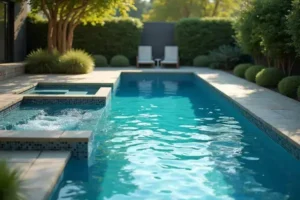
Picture this: you’re stretching in your own sleek lap pool, the rain tapping on your roof instead of on your back. No crowds. No cold wind. Just you, the water, and absolute freedom—any day, any hour.
Now, a pool inside the house sounds like pure luxury. But let’s be honest—figuring out how to actually build one? It’s overwhelming. Missteps can mean wasted money, design mishaps, or a daily humidity headache. Most guides leave you more confused than when you started.
By the end, you’ll have a practical, step-by-step indoor lap pool guide installation that covers planning, sizing, construction, and the real challenges nobody else warns you about. Ready to dive in and make this possible?
Key Benefits Of An Indoor Lap Pool At Home
Ever wondered why people invest in indoor lap pools instead of just joining a gym or heading to the local recreation center? Here’s the thing: installing an indoor lap pool at home isn’t just about indulgence—it’s about control, privacy, and maximizing long-term health value in a single, beautiful upgrade.
The immediate benefit? Year-round access. Unlike outdoor setups, you aren’t at the mercy of freezing winters or stormy springs. You control the climate, the water temperature, and the hours. No more lost training days, no surprise closures—just consistency, every week, all year.
💡 Pro Tip: The U.S. Centers for Disease Control and Prevention (CDC) confirms swimming is one of the safest and most effective low-impact exercises, especially for those recovering from joint injuries or managing chronic pain.
- Privacy and Comfort: Take a morning swim without sharing lanes or worrying about locker room crowds.
- Better Hygiene: Manage water quality and cleanliness personally—no surprises, no chlorine fumes or communal germs you can’t control.
- Home Value Boost: According to luxury real estate experts like Sotheby’s International Realty, high-end indoor pools can raise your property value, especially in colder climates or urban neighborhoods.
In practice: Picture this scenario—early morning, you wake up and the city outside is cloaked in gray drizzle. Instead of skipping your routine, you slip into your warm, perfectly calibrated pool water, knowing you’ll finish your workout before most people have even made coffee. That reliability is a game-changer for anyone committed to fitness or physical therapy.
Physical and Mental Health Benefits
| Benefit | Physical Impact | Mental/Emotional Impact |
|---|---|---|
| Joint-Friendly Exercise | Reduces strain, ideal for arthritis or rehab | Less pain = more motivation |
| Daily Routine | Builds stamina and cardiovascular health | Creates a sense of discipline, accomplishment |
| Private Retreat | Personalized comfort (lighting, music, temperature) | Reduces stress, boosts mood |
And honestly? These benefits add up quickly. The investment isn’t just in a pool—it’s in your lifestyle, health, and home equity alike.
But there’s one detail most owners completely overlook until it’s too late…
Choosing The Ideal Location And Pool Size
How do you pick the perfect spot for an indoor lap pool—without blowing your budget or future-proofing regrets? The truth is: location and size choices have real, lasting consequences for both wallet and lifestyle comfort.
Choosing your pool’s footprint isn’t just about space. You need enough clearance for movement, equipment, and ventilation. Don’t forget: anything less than 10 feet wide often feels cramped, while a length of at least 40 feet allows proper laps for adults. If space is tight, some homeowners opt for a resistance current system, often called an “endless pool,” which simulates lap swimming in a smaller area.
💡 Pro Tip: Consult local building codes and home insurers before selecting your room—according to the Association of Pool & Spa Professionals, clearances, access, and moisture barriers can be deal-breakers for city approval and insurance premiums.
- Basement: Excellent temperature stability and privacy, but may require extensive waterproofing.
- Converted Garage: Accessible and separate from living spaces; easier equipment installation, though limited ceiling height may restrict diving or exercise options.
- Custom Addition/Sunroom: Maximum flexibility for integrating skylights, dehumidifiers, and poolside storage. But it’s often costlier and takes months to permit and build.
Space and Size Comparison Table
| Location | Usable Area | Best For |
|---|---|---|
| Basement | Limited but climate-controlled | Year-round athletes, city homes |
| Garage | Medium, low ceiling | Quick access, separate entry |
| Addition | Flexible, can maximize size | Families, luxury homes |
Picture this scenario: You’ve found an unused basement, mapped out the dimensions, and discovered your HVAC system won’t support the moisture load. Suddenly, the real cost isn’t just pool construction—it’s full-scale air management and waterproofing. That’s why professional consultation is crucial before committing.
And this is exactly where most people make the most common mistake…
Essential Construction And Design Considerations
What separates a sleek, lasting indoor lap pool from one that causes regret? The answer: construction details and design choices made before the first shovel hits the ground. It’s not just about picking tile colors or water features—true success comes from what you can’t see.
The Non-Negotiables
- Moisture Control: You need a dedicated vapor barrier, commercial-grade dehumidifier, and waterproof lighting. Subpar setups risk mold and corrosion. The National Swimming Pool Foundation recommends fully sealed walls and ceilings for indoor builds.
- Structural Reinforcement: Water is heavy—A standard lap pool can add over 100,000 lbs to your home’s structure. Have a licensed structural engineer inspect and sign off before proceeding.
- Energy-Efficient HVAC: Proper airflow isn’t just for comfort. Efficient pool heaters and smart ventilation save you thousands over time, especially if you install an energy recovery ventilator (ERV) system.
- Slip-Resistant Surfaces: For pool decks and stairs, use textured materials like tumbled stone, premium non-slip porcelain, or high-grip rubber. Glossy tiles might look stunning but invite regret after one wet morning slip.
- Lighting and Ambiance: Seamless LED strips, dimmers, and daylight-mimicking fixtures aren’t just aesthetic. They transform a cave into a sanctuary—even during the grayest winter day.
- Materials Checklist: Pool-grade concrete, epoxy sealants, moisture-proof wiring, low-e glass (for windows), in-line chlorinators, and turbo-vent fans all deserve a spot on your quote sheet.
⚠️ Important Warning: Always confirm with your city’s building department and insurance provider before breaking ground—issues with compliance or coverage can mean months of costly delays or unusable results.
In practice: A homeowner skipped installing a dehumidifier, brushing off the advice. Within eight months, insulated window seals failed and black spots crept up drywall corners. It wasn’t just unsightly but required a total tear-out and rebuild—an expense that could’ve been prevented with a $2,000 unit installed up front.
Design details shape everything from daily comfort to long-term cost. What actually works might surprise you…
Safety, Maintenance, And Ventilation Tips
Ever think about what happens if the pool room gets too damp or your maintenance schedule slides? Here’s the thing: indoor pool safety relies just as much on air flow and upkeep as on splash-resistant tiles and warning signs.
- Water chemistry matters: Regularly test for chlorine, pH, and alkalinity. Unbalanced water isn’t just bad for swimmers—corrosive conditions can destroy pool equipment fast. The CDC recommends weekly checks, or automated systems for peace of mind.
- Safety barriers save lives: Install a safety cover rated for indoor lap pools, proper fencing (if it’s accessible from main house), and self-latching doors. Even without kids, accidents can happen in seconds.
Maintenance & Ventilation Guide
- Daily: Skim debris—even indoors, dust and pet hair happen. Wipe down handrails to prevent corrosion.
- Weekly: Test and adjust chemical levels. Check filter pressure and backwash if needed.
- Monthly: Inspect all ventilation fans and test humidity sensors. Clean grilles and replace HVAC filters as necessary.
- Seasonally: Deep clean tiles, check for condensation on glass, and inspect caulking around windows and pool deck joints.
- Annually: Have a pool technician review HVAC and pump systems for hidden leaks or inefficiencies.
💡 Pro Tip: Installing a dedicated heat recovery ventilator (HRV) not only improves air quality but recycles warmth, cutting energy costs—an upgrade often recommended by the National Association of Home Builders for indoor pool projects.
Picture this scenario: You step into your pool room on a January morning and notice a strange musty odor. Instead of waiting, you check the HRV and see a filter warning. One quick replacement later, the air’s crisp again—and you prevent stealthy mold damage down the road.
| Task | Frequency | Why It Matters |
|---|---|---|
| Test Chemicals | Weekly | Swimmer health, equipment life |
| Clean HVAC Filters | Monthly | Prevents moisture & mold |
| Safety Equipment Check | Annually | Prevents accidents |
And this is exactly where most people make the most common mistake…
Budgeting And Hidden Costs To Expect
Wondering how much an indoor lap pool will actually set you back? The truth is: there’s the sticker price—and then there are the hidden costs that sneak in once you’ve broken ground.
- Base Construction: Most indoor lap pools start at $70,000–$150,000 for a custom build, depending on length, depth, hydraulic systems, and finishes. High-end options can climb past $300,000 in urban settings or with luxury materials.
- Site Preparation & Permits: Factor in demolition, drainage, soil testing, and municipal permit fees, which can add $5,000–$20,000 depending on local regulations and complexity.
- Mechanical Equipment: Commercial-grade dehumidifiers, pool heaters, advanced ventilation, and automated cleaning systems aren’t optional extras—they’re critical for function and comfort, easily running $10,000–$40,000 together.
💡 Pro Tip: Don’t forget insurance! According to the Insurance Information Institute, homeowners with indoor pools often see significant premium hikes, and special riders may be required for liability and water damage protection.
Picture this scenario: A family budgets $100,000 based on pool shell costs. Midway through, they discover their electrical panel’s undersized, HVAC needs a total upgrade, and floor waterproofing requires an imported membrane. Suddenly, project scope balloons by $30,000—leaving them with tough decisions about finishing details.
Typical Cost Breakdown Table
| Expense | Low Estimate | High Estimate |
|---|---|---|
| Pool Shell/Structure | $40,000 | $90,000 |
| Mechanical/Electrical Systems | $18,000 | $50,000 |
| Permits/Engineering/Design | $5,000 | $18,000 |
| Finishes/Lighting/Decking | $7,000 | $40,000 |
| Maintenance (Yearly) | $2,000 | $6,000 |
And honestly? Even the best planners miss soft costs—temporary housing, added utility bills, or unexpected repairs. Professional consultation before starting can save tens of thousands over time. Once this is in place, the rest of the routine falls into place naturally.
Your Dream Pool Starts Here
If you take just one thing from this indoor lap pool guide installation, let it be: smart planning saves you more stress, money, and time than any shortcut ever could. You now know why benefits matter, how to choose the right space and size, which construction details truly count, what real maintenance and ventilation take, and how to prepare for budgeting surprises.
Before, building a pool inside your home felt absolutely overwhelming — one big headache with endless unknowns. Now? You understand what goes into it, what to ask, and how to move forward with real confidence. The path’s way clearer. You’re set up to create not just a pool, but a private retreat that fits your life perfectly.
Which part of your indoor pool journey are you figuring out next — space, design, or cost surprises? Share your questions below and help inspire the next swimmer in our community!

Marcus Lee Whitmore is a lap pool enthusiast and aquatic fitness writer dedicated to helping homeowners plan, install, maintain, and train in their home lap pools. With years of hands-on experience managing his own lap pool and endless pool system, Marcus built Ldesw to be the honest, practical resource every lap pool owner deserves from day one.