Picture this: you’re at the pool’s edge, staring down a calm lane, but your mind’s swirling with questions. How do you even start lap swimming? How can you avoid feeling like you’re just splashing around while others glide by?
It’s easy to get discouraged. You try a few laps, but you’re winded before you reach the wall—and that feeling like you just don’t belong can sneak in fast. The truth is, building a real swimming routine takes more than grit. It takes a bit of know-how, a plan you can trust, and someone who’s been where you are.
By the time you finish this guide, you’ll have a lap swimming workout guide for beginners that actually fits your life, meets you where you are, and helps you swim further—one solid stroke at a time. Ready to slip into the water and finally feel at home? Here’s where it all actually begins.
Understanding The Basics Of Lap Swimming
Ever stand at the edge of a lap pool wondering what all those colored lanes and pool rules actually mean? You’re not alone. The basics of lap swimming are surprisingly simple — but skipping them makes it tough to enjoy your workout, let alone see real progress.
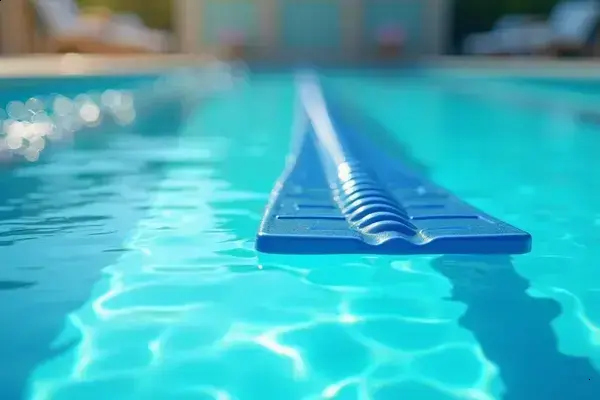
First, know your pool types. Most lap pools are either 25 yards (short course) or 50 meters (Olympic size). Each lane is marked with floating dividers, designed not just for organization but also to cut turbulence, making your swim smoother. You’ll see those lines on the pool floor? They’re there to help you swim straight without constantly looking up. And yes, the surrounding ledges are called gutters — they help reduce waves, giving every swimmer a fair shot.
- Lane etiquette matters: if the pool is busy, you’ll need to share.
- Always swim on the right side of the black line, circle style unless your pool says otherwise.
- If someone is faster, let them pass at the wall for safety.
💡 Pro Tip: The USA Swimming Foundation recommends always reading the posted lane speeds and rules before hopping in. It’ll save you awkward mid-lap encounters — and some dirty looks.
What About Strokes and Breathing?
Many beginners ask: “Do I have to be good at every swimming stroke, or can I stick with freestyle?” Here’s the thing: freestyle (front crawl) is the most popular for lap swimming because it’s energy efficient and easy to learn. But don’t ignore backstroke or breaststroke — learning multiple strokes helps build endurance and engages different muscle groups.
In practice: imagine Julia, a first-timer, launching into freestyle but getting winded after two laps. She switches to breaststroke for a lap, recovers, and then continues her set. That’s how real swimmers build stamina — not by powering through, but by managing energy smartly.
| Stroke | Best For | Common Challenge |
|---|---|---|
| Freestyle | Lap count & speed | Breath timing |
| Backstroke | Recovery & cooling down | Staying in lane |
| Breaststroke | Easy pacing | Kicking rhythm |
But here’s what most beginners overlook: the basics aren’t about perfection — they’re about getting comfortable moving through water, lane after lane. Once you understand those small details, lap swimming becomes a whole lot less intimidating and a whole lot more fun…
Choosing The Right Gear For Beginners
Think grabbing just any swimsuit and heading to the pool will do the trick? The truth is, having the right gear can make or break your first experiences with lap swimming — and nobody wants a fogged-up pair of goggles or a suit that slows them down.
So, what do you really need? Let’s break this down with a quick checklist. Most swimmers bring:
- A well-fitted swimsuit made for training (not boardshorts for guys, not fashion bikinis for women — go for a chlorine-resistant fabric like polyester)
- Silicone or latex swim cap (to reduce drag and hair damage)
- Anti-fog swim goggles that seal well on your face
- Kickboard and pull buoy (optional, but fantastic for drills and building technique)
- Sturdy flip-flops or slides for the pool deck
💡 Pro Tip: USA Swimming recommends trying different goggle shapes before you commit. What feels fine for five minutes in the store can turn into a headache halfway through your workout!
Comparison Table: Gear Options for Beginners
| Gear | Entry-Level Pick | Why It Works |
|---|---|---|
| Swimsuit | Speedo Essential Endurance+ | Highly durable, designed for frequent pool use |
| Goggles | Aqua Sphere Kayenne | Wide field of vision, easy adjust strap, anti-fog |
| Swim Cap | TYR Silicone Cap | Comfortable, stays put, reduces drag |
In practice: picture this scenario — Alex picks a trendy pair of sunglasses-style goggles online, only to discover they leak every time he pushes off the wall. Next time, he heads to a local store, tests several pairs, and finds one that’s snug but actually comfy for full laps. Suddenly, every swim feels easier.
According to the International Swimming Federation (FINA), quality gear not only improves comfort but also helps prevent common injuries like swimmer’s ear or eye irritation. And honestly? Investing just a bit upfront beats the hassle (and disappointment) of replacing cheap gear every month.
But there’s one detail most new swimmers completely overlook until it’s too late…
How To Structure Your First Lap Swim Workouts
So you’ve got your goggles and a bit of nervous energy — what now? Structuring your first lap swimming workouts is all about balance: enough challenge to make progress, but not so much you burn out and dread coming back.
- Warm-Up (5-10 minutes): Start with an easy swim, using freestyle or backstroke. Focus more on settling into a rhythm than on speed. This lets your body adjust and lowers injury risk.
- Main Set: Alternate short intervals of swimming and resting. For absolute beginners, try 2-4 laps (50–100 yards or meters), then pause for 30-45 seconds. Repeat this cycle 4–6 times. As you improve, gradually increase or add more sets.
- Technique Drills: Pick one drill per session (like kicking with a board or focusing on streamlined glides). It’s not just about mileage — mastering basics now pays off later.
- Cool Down: Finish with 2-3 slow, easy laps. Let your heart rate drop and stretch out your stroke. If you skip this, soreness and fatigue sneak up quick.
- Document Your Progress: Write down each session: laps, rest times, and how you felt. Use a simple notebook or a swim tracking app. This helps you see real progress — even if it’s slow at first.
💡 Pro Tip: The American Council on Exercise advises keeping beginner workouts under 30 minutes. If you leave the pool feeling like you could do a little more, that’s a win — not a failure!
In practice: imagine Ben, uncertain on day one, starts with three rounds of 2 laps and, by week three, he’s confidently adding an extra set. He didn’t force himself to go further every time — he made adjustments based on how his body felt, not what he thought he ‘should’ do. That flexibility is what leads to consistency and long-term gains.
Every swimmer’s baseline is different, so don’t compare your start to someone else’s finish. According to USA Swimming, a structured routine — warm-up, main set, drills, cool down — is the gold standard for building both endurance and technique.
But what actually keeps you coming back, session after session, might surprise you…
Tracking Progress And Staying Motivated
How do you actually know if those laps are adding up to real progress? That question trips up so many new swimmers — and it’s one reason motivation fizzles fast.
Here’s the thing: the secret is measurable milestones. Tracking can be as simple or high-tech as you want, but you’ll need at least these basics to start seeing a pattern:
- Total laps or distance swum per session
- Average time per lap or set
- Rest periods between sets (shorter rests over time usually mean improved fitness)
- How you felt during and after the workout
💡 Pro Tip: Olympian-endorsed apps like MySwimPro (iOS/Android/Web, developed by MySwimPro Inc.) let you record every session, chart improvements, and even set personal goals. A paper journal or a printed log sheet works too — whatever you’ll actually use.
Motivation Tools At-A-Glance
| Tool | Best For | Notable Feature |
|---|---|---|
| MySwimPro App | Digital tracking, swim planning | Video drills, structured plans, goal setting |
| FINIS Swim Coach Communicator | Live feedback, in-ear | Immediate pace cues, waterproof, Bluetooth-enabled |
| Classic Swim Logbook | Paper journaling, simplicity | No batteries, highly customizable, visual trend tracking |
Picture this scenario: Jamie uses the same fitness tracker for every workout. Watching her weekly lap total go from 200 to 400 lights a fire she didn’t expect. And when her lap times plateau, she tweaks her intervals — problem solved. Tracking isn’t just for data geeks; it’s for anyone who wants a reason to show up, week after week.
According to USA Swimming, consistent feedback (even a sticky note chart on your fridge) increases the odds of building lasting habits. And while self-competition is motivating, don’t be afraid to celebrate small wins, like completing an extra set or shaving just five seconds off your best time. What actually works might surprise you…
Common Mistakes Beginners Make (And How To Avoid Them)
Ever finish a session feeling exhausted, frustrated, or even a bit embarrassed — and wonder if you’re the only one struggling? The truth is, nearly every beginner makes a handful of classic mistakes when starting lap swimming. The good news: all of them are totally fixable.
- Going Out Too Fast: Sprinting the first lap feels exciting but leads to burnout by the second. Start slow, focus on rhythm, and ramp up only when you’re warmed up.
- Holding Your Breath: Many think it helps, but it actually makes you tense and tires you out. Steady, rhythmic exhalation in the water — even a gentle bubble trail — is key.
- Ignoring Technique: Long, lazy strokes beat frantic slapping every time. Don’t just count laps; make each one smoother than the last.
- Wrong Gear Choices: Flimsy goggles, a loose swimsuit, or a cheap cap can sabotage your efforts quickly. Invest smarter and save frustration down the line.
- Skipping Rest: Some fear looking ‘weak’ for pausing between sets. But actually, well-timed recovery improves endurance and helps you focus on form.
⚠️ Important Warning: According to the American Red Cross and CDC, always make sure the pool has lifeguard supervision — and if you’re unsure about your health status, check with a medical professional before taking on strenuous swimming routines.
Spot the Mistake
| Mistake | Impact | How to Avoid |
|---|---|---|
| Poor Breathing | Fatigue, early burnout | Breathe out gently in water; practice slow drills |
| Overtraining | Pain, missed sessions | Follow a structured plan; add rest days |
| No Progress Tracking | Plateau, lost motivation | Log workouts; set small, realistic goals |
In practice: imagine Taylor, who’d power through two laps, gasping for air. After learning to breathe every three strokes and resting with intention, her stamina — and confidence — soared. You’re not behind if you need to adjust; you’re just building smarter habits.
Once this is in place, the rest of the routine falls into place naturally.
Your Best Swims Start Here
If you take just one thing from this lap swimming workout guide for beginners, let it be this: progress comes from small, consistent steps—not perfect strokes. Start with the right gear, build a routine that fits your life, and watch out for those common mistakes. Each lap you swim is proof you’re moving forward.
Think about where you started—maybe unsure which lane to pick, worried about gear or burning out fast. Now, you’ve got the basics down, a real plan in hand, and a way to track what works. Your swims can go from stressful to satisfying. Momentum is on your side.
What’s the first change you’ll make to your swim routine after reading this? Share your answer in the comments. Which tip do you think will help you enjoy your swim most?

Marcus Lee Whitmore is a lap pool enthusiast and aquatic fitness writer dedicated to helping homeowners plan, install, maintain, and train in their home lap pools. With years of hands-on experience managing his own lap pool and endless pool system, Marcus built Ldesw to be the honest, practical resource every lap pool owner deserves from day one.