Ever jump into your home lap pool, only to swim aimless laps that leave you feeling more confused than accomplished? That “what now?” feeling is way too common—you’re not alone.
With no direction, swimming can quickly turn into a blur of wasted time and lost motivation. It’s easy to doubt whether you’re making any progress, and honestly, it can make you want to skip workouts altogether. That lingering uncertainty? It chips away at your confidence, day after day.
By following a swim training plan printable free, you’ll know exactly what to do each time you step into the water. Simple structure, clear weekly goals, and genuine results, all mapped out. Ready to transform your pool time into real progress? Here’s what actually works.
How To Set Up Your Home Lap Pool For Training Success
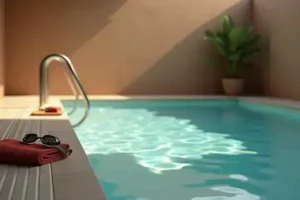
Most people think a backyard lap pool is instantly “ready” for workouts — but the truth is, a few overlooked details can make or break your entire swim training journey. Ever jumped in, only to realize the water’s too chilly or the space feels restrictive? That’s not just bad luck. It’s setup.
Here’s the thing: success in swimming starts before you hit the water. Small tweaks to your environment dramatically boost motivation, safety, and even your performance. According to USA Swimming, lap pools designed with clear safety markers and easily accessible gear reduce accident risk and help build consistent workout habits.
- Water temperature matters: Home lap pools should be between 78–82°F for adult training. Anything colder zaps energy; warmer can lead to fatigue or dehydration.
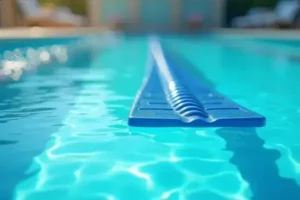
- Lane clarity is key: Use floating ropes or a contrasting tile stripe to mimic a real lane. You’ll swim straighter, with fewer interruptions.
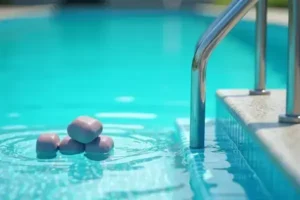
- Gear within arm’s reach: Place your kickboard, pull buoy, and water bottle right at poolside — no mid-session scrambling. Choose surfaces that keep everything stable but close by.
- Poolside environment: Good grip on deck tiles is essential. Wet surfaces should be slip-resistant (textured ceramic or rubber-backed mats beat smooth stone every time). Test it yourself to avoid falls.
💡 Pro Tip: Store a waterproof timer at the pool’s edge — it’s easier to monitor intervals and pace yourself when tools are physically present. USA Triathlon recommends high-contrast, waterproof stopwatches for solo training, as they greatly improve self-coaching accuracy.
In practice:
Picture this scenario: Alicia, a beginner swimmer, wants to start a daily routine in her 30-foot home pool. The first few mornings, she finds herself distracted — goggles missing, towel forgotten, pool water chilly. By week two, she keeps a checklist on her patio table: water temp set before sunrise, gear bag open, mat placed at the entry ladder. Her focus clicks, workouts flow easily, and she drops the “I’m not ready” excuse altogether.
| Setup Step | Why It Matters | Pro Tip |
|---|---|---|
| Check water temp | Prevents early fatigue | Do this the night before |
| Prep gear | Keeps sessions smooth and focused | Keep everything in a poolside basket |
| Deck safety check | Reduces slips and injuries | Quick towel-off after each use |
But there’s one detail most owners completely overlook until it’s too late…
Understanding The Basics Of Swim Fitness For Beginners
Ever wondered why swimming leaves you exhausted after just a few laps — even if you’re fit on land? The demands on your body are completely different. Water adds resistance in every direction, so your muscles engage in ways they never would during a run or a bike ride. That’s why building swim fitness is its own unique journey, not just ‘cardio in a pool.’
Let’s break it down: swim fitness isn’t just about strong arms or holding your breath. It combines cardiovascular endurance, muscular strength, and — maybe most overlooked — proper breathing technique. The American College of Sports Medicine notes that swimmers must develop controlled, rhythmic breathing to maintain oxygen levels and control fatigue. And honestly? Mastering breath is half the game.
- Endurance: Focuses on how long you can keep moving without getting breathless or losing form.
- Muscular strength: Developed through repetitive stroke cycles, especially if you add tools like paddles or a pull buoy.
- Breathing control: Learning to exhale underwater and inhale quickly is a specific skill. Don’t skip it — your pace and comfort depend on this.
💡 Pro Tip: Aim for a steady breathing pattern — like exhaling smoothly through your nose underwater and turning for a quick, focused inhale every 2 or 3 strokes. This reduces anxiety and helps prevent the ‘panic’ feeling during longer swims.
Picture this scenario: Mark, a complete beginner, dives into his first lap with confidence. By the third length, he’s out of breath, shoulders tired, and feeling frustrated. He watches a short demonstration from the USA Swimming Foundation — just focusing on exhaling underwater and slowing his turns. By week’s end, he completes eight continuous laps without stopping, simply by pacing his breath and relaxing his stroke.
| Component | What It Means | Starter Tip |
|---|---|---|
| Endurance | Staying active for longer swims | Alternate slow and moderate laps |
| Strength | Muscles working against water resistance | Use paddles/pull buoy sparingly |
| Breathing | Controlled inhale/exhale routines | Practice out-of-pool breath drills |
And this is exactly where most people make the most common mistake…
Weekly Breakdown: Your 4 Week Printable Swim Training Plan
Ever get stuck staring at the pool, wondering, “So what should I swim today?” That’s why having a structured, week-by-week printable swim training plan changes everything — it takes the guesswork out of your workout, keeps you motivated, and helps you actually see real progress. The key? Consistency and gradual challenge, not swimming until you’re wiped out on day one.
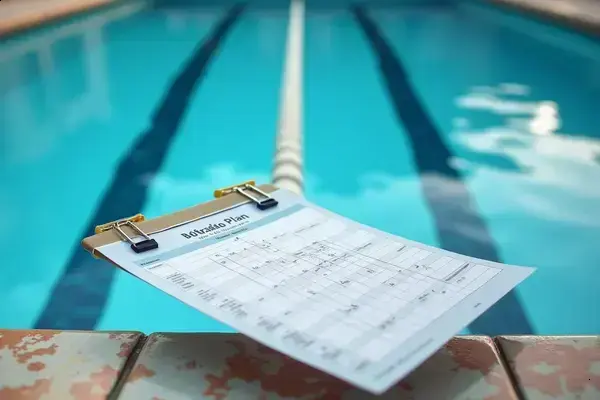
- Print out your plan: Stick it poolside, somewhere visible. You’ll check off each session and see your progress at a glance.
- Week 1 — Foundation: Focus on technique and rhythm. Swim 4x/week. Alternate 25m easy swims with rest, total 400–600m per session.
- Week 2 — Endurance Build: Bump to 5x/week. Introduce sets: 4x50m (rest 30s), 4x25m kickboard, and a longer 100m relaxed swim. Target 600–800m/session.
- Week 3 — Power and Pace: Swim 5x/week, add short sprints (6x25m, rest 20s), plus pull buoy work. Begin tracking your split times with a waterproof timer. Aim for 800–1000m/session.
- Week 4 — Mix and Master: Combine all elements. One day: intervals. Next: technique (drills, breathing). Last: “challenge day” — see how many continuous laps you can do safely. Log all times and distances.
- Required items: waterproof plan printout, kickboard, pull buoy, goggles, timer, water bottle.
- Prerequisites: comfortable with basic freestyle and breathing. Allow 30–45 minutes per session.
💡 Pro Tip: Laminate your plan or slide it into a ziplock bag — it’ll withstand splashes and last all month! The CDC recommends tracking workouts in writing to build lasting habits.
Sample 4-Week Schedule
| Week | Focus | Sample Set |
|---|---|---|
| 1 | Technique + Comfort | 8x25m easy, rest as needed |
| 2 | Endurance | 4x50m, 4x25m kick, 100m long swim |
| 3 | Pace + Strength | 6x25m sprints, pull buoy drills |
| 4 | Mix & Challenge | Intervals + test day |
In practice: Imagine Jen, a true beginner, crossing off her workouts with a dry-erase pen beside the pool. Week one feels easy; week three, she’s shocked at the stamina she’s built. That visible log is more motivating than any smartphone app.
But there’s one detail most owners completely overlook until it’s too late…
Tips For Staying Motivated And Tracking Your Progress
We all hit those days where you just don’t want to swim. Maybe the weather’s off, or motivation fizzles after a long week. Here’s the truth — even elite swimmers get stuck, but they’ve built rock-solid systems to keep showing up and making progress. The good news? You can, too.
- Print and post your plan: Visually crossing off each session on your waterproof workout sheet does more than you’d think. That physical sense of achievement is pure fuel.
- Track times and distances: Use a simple waterproof stopwatch, or jot lap counts with a dry-erase marker at poolside. The American Swimming Coaches Association recommends pairing distance goals with rest intervals for measurable progress.
- Progress snapshots: Every week, write down something that improved — breathing, stroke, mood. Reviewing these mini-milestones will make setbacks less discouraging.
- Buddy system: Even solo swimmers boost commitment with an accountability text or five-minute call to a friend post-swim. If you want, join an online community through official swimming organizations for extra motivation.
💡 Pro Tip: On days when motivation drops, change just one thing: a different swim set, upbeat playlist, or new post-swim reward. According to USA Masters Swimming, variety is a top secret for sustaining long-term training habits.
In practice: Imagine Tanya, who used to fizzle by week two. She keeps her laminated plan and a chunky marker right at the pool steps. Every evening, she colors a big green checkmark over the set she finished. By week three, she’s genuinely excited to see a row of checkmarks — and actually eager for swim days.
| Tracking Tool | Best For | Why It Helps |
|---|---|---|
| Printed swim plan | Visual progress and habit-building | Immediate feedback, satisfaction |
| Waterproof stopwatch | Pacing and interval tracking | Data for personal records |
| Dry-erase board/marker | Lap counts or notes | Flexible, easy to update |
And this is exactly where most people make the most common mistake…
Essential Gear And Simple Safety Guidelines For Home Swimmers
What gear truly matters when you’re swimming at home — and which safety basics must never be skipped, even if it’s just you in the pool? Trust me, those small details make all the difference between a fun, productive session and an avoidable accident.
- Goggles: Clear vision keeps you on track and prevents eye irritation. Look for anti-fog models with a comfortable silicone seal.
- Kickboard and pull buoy: Both support technique training and targeted strength work. They’re the backbone of nearly every beginner swim plan recommended by the Swimming Saves Lives Foundation.
- Waterproof timer: Essential for tracking intervals and rest, especially when using structured sets or solo pacing.
- Non-slip pool shoes and towel: Slips are the #1 home pool injury — grippy soles and a handy towel minimize risk as you enter and exit.
- Poolside gear basket: Keeps everything tidy, dry, and always within arm’s reach so you don’t step on stray items while wet.
⚠️ Important Warning: Always keep a phone within reach in case of emergencies — even expert swimmers can experience cramps or sudden trouble. The Red Cross strongly advises never to swim entirely alone and to notify someone in your home before every workout, no matter your skill level.
Picture this scenario: Sam forgets his goggles, improvises with old sunglasses, and stings his eyes so much that his session barely lasts ten minutes. The next time, he follows his checklist — goggles, timer, towel, basket — and actually enjoys the session, swimming safely, and ending with a smile.
| Gear | Purpose | Why It Matters |
|---|---|---|
| Goggles | Vision & eye protection | Comfort and lap accuracy |
| Kickboard | Leg & technique drills | Improves specific muscle groups |
| Pull buoy | Arm strength focus | Stabilizes hips, isolates arms |
| Timer | Pacing & rest intervals | Monitors progress |
| Non-slip shoes | Deck safety | Prevents common falls |
The right habits in place now make everything easier from here.
Your Swim Success Starts Today
If you take just one thing from this guide, let it be: a structured swim training plan printable free can turn guesswork and frustration into steady progress and real poolside confidence. It’s all about the right setup, simple routines, and sticking with safety every time you hit the water.
Before, swimming at home might’ve felt random or overwhelming. Now, you know exactly what to do — from setting up your lap pool to tracking your wins each week. Every small step adds up. You’re not just going through the motions; you’re actually building momentum, one swim at a time.
What part of your swim training are you most excited to start — the gear, the plan, or tracking your gains? Share your thoughts in the comments!

Marcus Lee Whitmore is a lap pool enthusiast and aquatic fitness writer dedicated to helping homeowners plan, install, maintain, and train in their home lap pools. With years of hands-on experience managing his own lap pool and endless pool system, Marcus built Ldesw to be the honest, practical resource every lap pool owner deserves from day one.