Picture this: you arrive at the pool, ready to dive in—only to realize you forgot your goggles or your swimsuit drawstring is missing. Frustrating? You’re not alone. A forgotten piece of gear can derail even the best planned swim session.
Most swimmers underestimate just how much overlooked gear can eat up time and sap motivation. Miss one item and suddenly you’re improvising, distracted, or cutting your workout short. The right checklist isn’t about being obsessive—it’s about actually enjoying your swim without last-minute hassles.
By the end of this guide, you’ll have a foolproof lap swimming gear checklist covering every must-have and pro tip to make your training stress-free and more productive. There’s one piece of advice here even seasoned swimmers tend to overlook—so get ready to rethink your pool bag.
Essential Swimwear For Comfort And Performance
Swimmers often obsess over fancy gear yet overlook the most intimate weapon for comfort and performance: the right swimwear. You might wonder—does it truly matter, or is any old suit good enough? Olympic-level research says yes, it matters much more than you’d think.
Choosing the wrong suit invites chafing, sagging, or awkward drag mid-lap. But get it right, and your body glides through the water with less resistance and far more confidence. For lap swimming, focus on materials designed specifically for chlorine protection (such as PBT-blend or 100% polyester) and a fit that hugs without constricting.
- Jammers: Knee-length for men; maximizes coverage, streamlines thighs, ideal for sustained speed.
- One-piece racerbacks: For women, these provide back support, zero ride-up, and consistent compression lap after lap.
- Chlorine-resistant briefs: Durable for daily pool sessions; minimizes drag and lasts much longer than basic spandex styles.
💡 Pro Tip: Speedo and TYR (two globally respected brands) both recommend replacing lap swimwear every 60–90 uses—lab tests show material degrades subtly even before you see frayed seams or faded color. Long-term exposure breaks down fit and elasticity, which is why even pros rotate between at least two suits to prolong the lifespan of each.
Picture this scenario:
You slide on a fresh suit, the fabric resilient and perfectly fitted. The water resistance drops as your suit doesn’t balloon out with every push-off—unlike the faded, stretched-out backup you grabbed last week. Comfort translates to confidence: you focus on your intervals, not on fixing straps or tugging at hems between sets.
| Type | Material | Best For |
|---|---|---|
| Jammer | PBT/polyester blend | Men seeking full leg coverage & drag reduction |
| Racerback | Chlorine-resistant polyester | Women who want back support and no ride-up |
| Brief | Durafast Elite (TYR), Endurance+ (Speedo) | Everyday training, max durability |
According to USA Swimming’s official gear guidelines, always check for FINA-approved labels if you plan to swim in competitions—the fit rules are real, and certain fabrics are banned in official meets.
But there’s one detail most lap swimmers overlook completely until it’s too late: how to truly choose the perfect goggle, cap, and earplug combo for seamless performance and zero mid-workout distractions…
Must-Have Pool Accessories That Make A Difference
Why do some swimmers finish a session energized, while others limp out of the water, annoyed at constant interruptions? The difference often comes down to pool accessories—the gear that keeps your focus sharp and your technique flawless.
Here’s the thing: ‘accessories’ sounds optional, but when it comes to lap swimming, they’re real game-changers. The right tools not only support performance, but can also prevent injuries, speed up your progress, and enhance your comfort mile after mile.
- Pull Buoy: Elevates legs for technique drills, building upper body strength without overworking your kick.
- Kickboard: Isolates your legs; perfect for targeted kicking exercises and improving balance.
- Paddles: Increase resistance and help master your stroke, but must be used carefully to avoid shoulder stress.
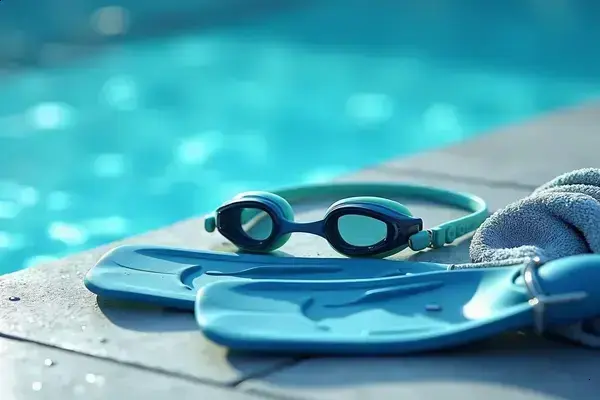
- Fins: Add speed to your kick sets, developing ankle flexibility and power.
- Mesh Gear Bag: Essential for quick drying; keeps all this equipment separated from your towel and clothes.
💡 Pro Tip: The American Red Cross Water Safety Program emphasizes using fins and paddles of appropriate size for your stroke technique and body mechanics—too large, and you risk strain, too small, and you gain little benefit. Check manufacturer sizing recommendations to fine-tune your training load.
Picture this scenario:
You’re at the pool, gearing up. Instead of making do with what the facility provides (half-broken boards, missing straps), you pull out your own customized set: the right buoy for your body, paddles that streamline with your natural hand shape, and a gear bag that keeps everything accessible. Suddenly, transitions during sets are seamless, your rhythm never breaks—and you actually enjoy those long main sets rather than dreading equipment issues.
| Accessory | Primary Benefit | Best For |
|---|---|---|
| Pull Buoy | Upper body strength and balance drills | All levels, technique work |
| Kickboard | Leg strength, ankle flex, posture | Novice and intermediate swimmers |
| Paddles | Stroke efficiency and arm speed | Experienced swimmers |
| Fins | Kicking power and speed intervals | All levels |
According to USA Swimming guidelines, using individualized gear reduces injury risk and supports long-term skill development. Select what fits your body and goals, not just what’s trending on social media—it’s a smart long-term investment.
But there’s one detail most owners completely overlook until it’s too late: the crucial choice and fit of goggles, caps, and earplugs for seamless, distraction-free sets…
Choosing The Right Goggles, Caps, And Earplugs
Ever had a swim derailed by fogged-up goggles, a leaking cap, or water stubbornly invading your ear? That’s not just frustration—those tiny distractions can destroy your focus and momentum. The fit and function of goggles, swim caps, and earplugs can make or break your pool experience.
Here’s the truth: each swimmer’s needs are different. What seals perfectly for your lane partner might pinch or leak on you. That’s why selecting the right combination of gear—balanced comfort and performance—takes a bit of personal experimentation, not just grabbing whatever’s on sale.
Comparison Table: Key Features at a Glance
| Gear | Best For | Trade-offs |
|---|---|---|
| Mirrored Goggles | Outdoor/bright pools | Reduced glare, pricier, can scratch |
| Silicone Cap | Lap training, long hair | Snug, durable, may feel tight |
| Custom-Molded Earplugs | Frequent swimmers | Superior fit, higher cost |
In practice: you find a goggle style with soft, flexible gasket material—maybe the Speedo Vanquisher 2.0 or TYR Socket Rocket. When you push off and glide, there’s no water seepage, and the antifog lens stays clear for the entire session. You keep a backup latex cap for races and a trusty silicone one for training, so you never deal with surprise splits. Earplugs? You test a few shapes (mushroom, winged, and moldable types) until you settle on one you forget you’re even wearing.
- Goggles: Look for UV protection and dual straps for security during turns.
- Swim Caps: Prioritize silicone for durability and comfort, latex for race-day stretch, and neoprene if you swim outdoors in chilly weather.
- Earplugs: Moldable silicone types (like Mack’s) offer a universal seal; custom-fitted ones provide best-in-class comfort for high-frequency training.
⚠️ Important Warning: According to the Centers for Disease Control and Prevention, ear infections from chronic moisture can sideline even elite swimmers. If you struggle with repeat ear pain, consult a specialist for a custom-fit solution.
Getting this trio right means zero mid-lap frustrations and maximum time spent cruising in the zone. And this is exactly where most people make the most common mistake—neglecting cleaning and storage habits, which quietly ruin even the best gear over time…
Keeping Your Gear Clean, Organized, And Long-Lasting
How many times have you opened your swim bag to find your goggles coated with fog residue, your cap stuck to itself, or your towel reeking of mildew? The truth is—gear maintenance isn’t glamorous, but it’s the difference between reliable equipment and constant replacements.
- Rinse Everything Immediately: After each swim, use fresh water (not just poolside showers) to wash away chlorine and sweat. Pay special attention to crevices in goggles and the inner seams of suits. Time: 2 minutes.
- Air Dry Thoroughly: Lay out your equipment in a well-ventilated area, not in your bag. Avoid direct harsh sunlight, which degrades silicone and elastic. Time: 5–10 minutes (hands-off).
- Sort And Rotate Gear: Use mesh bags for wet accessories and a separate dry pouch for items like towels. Rotating between two sets of goggles or suits lets each dry fully, extending their life.
- Weekly Deep Clean: Soak caps, goggles, and even fins in a mild vinegar and water solution (1:3 ratio) for 20 minutes once a week to remove stubborn pool chemicals. Dry fully before storing.
- Organize For Grab-And-Go: Designate a specific spot near your gear—like a labeled section in your gym bag. Keep checklists or labels if you’re training for events or juggling both indoor and outdoor pools.
💡 Pro Tip: According to the National Swimming Pool Foundation, neglecting regular rinsing can reduce goggle anti-fog coatings by half their expected lifespan. Silicone caps often break down first at the back seam if left scrunched in a wet bag all week—so give them space to breathe!
In practice: you finish your workout, scoop everything into your mesh bag, rinse under the locker room’s sink, and then hang your towel and suit by the window when you get home. If you’re diligent, your goggles stay crystal clear, the suit stays snug for months, and you never scramble to replace gear before a meet.
- Fresh water (for rinsing)
- Ventilated drying area
- Mesh gear bag
- Mild vinegar (for deep cleaning)
- Labels or checklist (for organization)
The Centers for Disease Control and Prevention also recommends regular cleaning to avoid athlete’s foot and other fungal infections—clean gear isn’t just about durability; it’s about your health.
And this is exactly where most people make the most common mistake—overlooking bonus items that can make or break your pool session (and aren’t sold in the swim gear aisle)…
Bonus Items Smart Swimmers Always Pack
Ever finish a tough workout and wish you had just one small item that could turn the whole recovery around? Here’s the thing: seasoned swimmers don’t leave this stuff to chance. The right “extras” make you more comfortable on deck—and faster back in the water next time.
- Anti-Chafe Stick: Swipe over sensitive areas before training to prevent friction and skin irritation from repetitive motion or tight gear.
- Microfiber Towel: Absorbs more, dries faster, packs smaller. It’s a lifesaver when you’re pressed for time between sets or need to dry off quickly post-swim.
- Reusable Water Bottle: Hydration isn’t just for runners. According to the American College of Sports Medicine, even pool workouts can cause significant fluid loss—especially in heated indoor facilities.
- Energy Bar or Recovery Snack: Stash something easy to digest to kickstart muscle repair within 30 minutes of your last lap.
- Lock and Small Pouch: Keep keys, cards, and valuables protected from splashes in a waterproof pouch. A sturdy lock is a must for shared locker rooms.
💡 Pro Tip: In practice: picture yourself squeezing in an early swim. You hop out, grab your anti-chafe stick for a quick re-application, and unroll a featherlight towel that actually dries you off—no sticky, cold towel blues. Your energy bar and water bottle are already in reach, so you leave the pool feeling human, not frazzled.
For even more peace of mind, many competitive swimmers keep backup nose clips and ear drops (especially if they’re prone to sinus or middle ear discomfort). If you wonder “is this overkill?”—just ask anyone who’s ever had to end a session early over an annoying blister or lost contact lens.
| Bonus Item | Why Useful | Pro Scenario |
|---|---|---|
| Anti-Chafe Stick | Prevents irritation in frequent motion areas | Long training blocks or race day |
| Microfiber Towel | Dries ultra-fast; compact and hygienic | Crowded gyms, travel meets |
| Reusable Water Bottle | Maintains hydration, reduces waste | Any heated indoor practice |
Once this is in place, the rest of the routine falls into place naturally. With these bonus items, your training is smoother, recovery is quicker, and you’re truly prepared for whatever your next session throws at you.
Your Pool Sessions Just Got Easier
Let’s keep it simple. The best lap swimming gear checklist covers swimwear that fits and lasts, accessories that actually help (not slow you down), and simple habits to keep everything fresh. If you take just one thing from this guide, let it be: investing in the right lap swimming gear turns frustration into flow—every single session.
Before, your bag was chaos and your focus scattered. Now? You know exactly what goes where, what to pack, and how to keep your gear in top shape. That means more fun, fewer headaches, and better, stronger training—no more wondering what you forgot.
Which bonus item would make the biggest difference for your next lap swim? Drop your answer in the comments—we want to hear what transforms your routine!

Marcus Lee Whitmore is a lap pool enthusiast and aquatic fitness writer dedicated to helping homeowners plan, install, maintain, and train in their home lap pools. With years of hands-on experience managing his own lap pool and endless pool system, Marcus built Ldesw to be the honest, practical resource every lap pool owner deserves from day one.