You know that feeling when you slip into your lap pool expecting crystal-clear water—only to find cloudy patches or a faint chemical smell? That surprise is more common than pool owners like to admit.
When regular lap pool maintenance slides, clarity goes fast and costs start creeping up. Neglect can lead to stubborn stains, algae blooms, and even health risks lurking beneath the surface. Nobody wants to trade their peaceful swim for a headache—or a big repair bill.
By the time you’ve finished this guide, you’ll have a straightforward lap pool maintenance guide weekly—the exact steps, tools, and checks needed to keep your water spotless and safe every week of the year. Ready to see what a difference a few well-timed tweaks can make? Let’s dive in.
Understanding The Weekly Needs Of Your Lap Pool
When was the last time you really paused to consider what your lap pool needs every single week? Most pool owners know the basics—skim, test, clean—but few realize how quickly tiny oversights multiply.
The truth is: your lap pool has a living, changing chemistry. Things like swim frequency, local weather, and the size or finish of the pool all influence what needs to be checked or adjusted week after week. It’s not just about appearances—it’s about health, longevity, and safety for everyone who dives in.
💡 Pro Tip: According to the Centers for Disease Control and Prevention (CDC), consistent weekly care prevents 80% of the most common pool water problems before they ever start. That means fewer emergency service calls and more time actually enjoying your lap pool.
In practice: imagine you host a few swim sessions on a hot summer weekend—the next day, that perfect balance can tip fast. Sweat, sunscreen, and higher temperatures will all throw off chlorine levels and pH, sometimes overnight. Weekly maintenance isn’t just a chore; it’s your first line of defense.
- Water Chemistry: Test chlorine, pH, and alkalinity levels every week. Manual test kits or smart strip readers give you instant feedback—even minor imbalances can lead to algae growth or irritate skin and eyes.
- Skimming & Vacuuming: Leaves and insects aren’t just unsightly; they decompose and introduce extra nutrients that fuel algae blooms. A quality skimmer and vacuum are your best friends here.
- Equipment Check: Weekly, look over your pump, filter, and drains. Any strange noise or drop in water pressure? That could signal build-up or an equipment issue needing early attention.
- Surface Brushing: Even if the pool looks clean, brush tile lines and pool walls to disrupt invisible biofilm and stubborn contaminants.
- Water Level: Top up after big swim days or heavy sun. Evaporation can let pumps suck air—which damages the system fast.
| Key Task | Why Weekly? | What You’ll Prevent |
|---|---|---|
| Testing Water | Pools change quickly with use/weather | Algae, irritation, unsafe water |
| Skimming & Brushing | Debris accumulates every day | Clogged filters, organic build-up |
| Pump/Filter Checks | Catch problems before they escalate | Expensive repairs, breakdowns |
But there’s one detail most owners completely overlook until it’s too late…
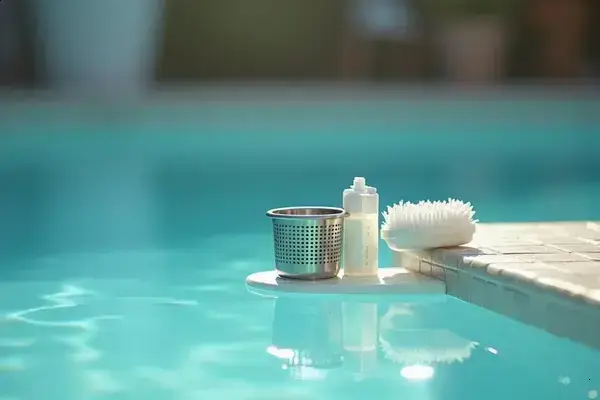
Essential Tools And Supplies To Have On Hand
Ever spent a Saturday morning battling leaves or cloudy water, only to discover you’re missing that one simple tool? There’s nothing more frustrating—or time-wasting—than trying to DIY your lap pool care with the wrong supplies. The right set of tools isn’t a luxury; it’s your secret to fast, thorough, and stress-free weekly upkeep.
- Telescopic Pole: The backbone of any pool maintenance kit. It connects to brushes, nets, and vacuums—making it easy to tackle every corner, deep or shallow.
- Leaf Skimmer Net: High-quality, fine-mesh nets collect surface debris before it sinks and decays. Look for a sturdy frame that doesn’t flex under load.
- Pool Brush: Essential for scrubbing algae, biofilm, and mineral buildup off tile and walls—especially in a lap pool, where extra length means more surface area.
- Manual or Automatic Pool Vacuum: Invest in a reliable manual vacuum or robotic cleaner for floor and wall cleaning. Robotic models from Dolphin (Maytronics) or Polaris are highly rated for lap pools.
- Water Testing Kit: Ditch the test strips for a professional-grade drop kit. Taylor Technologies’ kits are industry standard for accurate readings of pH, chlorine, and alkalinity.
- Chlorine Floater/Dispenser: Keeps chlorine distribution consistent, especially important when your lap pool gets frequent use.
- Pool Shock Treatment: Powerful oxidizers (typically calcium hypochlorite) for weekly or post-heavy-use water sanitization. Handle with gloves and follow guides from the Pool & Hot Tub Alliance for safety.
💡 Pro Tip: Store all tools out of direct sunlight and rinse them after each use to prevent premature wear. According to the Association of Pool & Spa Professionals, proper storage can double the lifespan of pool maintenance equipment.
Picture this scenario:
You’re set for a fast weekly clean, but the net’s ripped and your water tester just ran out of reagent. Now the whole job stalls—and your pool sits vulnerable to algae. With a well-stocked maintenance cart and backups for consumables, you never lose momentum.
| Tool/Supply | Essential Feature | Pro-Level Alternative |
|---|---|---|
| Telescopic Pole | Adjustable, sturdy grip | Ultra-light carbon fiber models |
| Pool Vacuum | Manual or robotic | Dolphin Nautilus Robotic Cleaner |
| Water Testing Kit | Reagents for pH/Chlorine | Taylor K-2006C Pro Series |
What actually works might surprise you…
Step-By-Step Weekly Cleaning Routine Demystified
Ever find yourself unsure where to start with weekly pool cleaning? Many owners know they should ‘do a deep clean’ but never get a simple, practical plan—so they skip steps, and problems sneak in fast.
- Gather Your Gear: Before you start, check that your telescopic pole, vacuum, test kit, brush, net, and sanitizer are ready to go. The whole process runs smoother this way.
- Skim Surface Debris: Sweep the pool surface with a leaf net, working from the shallow to the deep end. This stops organic matter from sinking and decaying.
- Vacuum the Pool Floor: Use a manual or robotic vacuum to cover all areas—especially corners and steps, where debris loves to hide. It takes 15–20 minutes for most lap pools.
- Brush Walls and Waterline: Focus on the waterline, tiles, and walls using a stiff-bristled brush. This removes microscopic biofilm so algae won’t get a foothold.
- Clean Out Baskets and Filter: Empty the skimmer and pump baskets, then backwash or clean your filter based on manufacturer guidelines—usually required weekly for busy family pools.
- Check and Adjust Chemistry: Test for chlorine, pH, and alkalinity. Adjust with shock treatment or balancers as needed. Document your readings for easy trend spotting.
- Top Off Water Level: If the water’s low, fill it up to keep pumps running smoothly and safely.
- Required Items:
- Leaf net/skimmer
- Telescopic pole
- Pool brush
- Vacuum (manual or robotic)
- Water testing kit
- Chlorine/shock chemicals
⚠️ Important Warning: Always wear gloves and safety glasses when handling pool chemicals. The Pool & Hot Tub Alliance recommends securing all cleaning agents away from kids and pets.
Picture this scenario: It’s Sunday morning. Jessie prepares her weekly pool kit, follows the seven steps without skipping a beat, and in under an hour, her lap pool is cleaner than most on her block. Neighbors ask how she keeps it sparkling—her secret is staying consistent, never guessing.
And this is exactly where most people make the most common mistake…
Best Practices For Monitoring Water Quality And Chemistry
Is checking pool water quality really worth the time every week? Absolutely—and neglecting it is how crystal-clear lap pools quietly become cloudy, even unsafe. The science behind pool chemistry isn’t just for lab techs; it’s the difference between relief and regret anytime you or your family takes a dip.
- Test Regularly, Not Randomly: Commit to a fixed testing day—ideally the same time, every week. Fluctuations in chlorine, pH, and alkalinity often go undetected until problems show up. The CDC advises weekly testing as minimum best practice.
- Use a Reliable Test Kit: Opt for a professional-grade drop kit over strips (look for multi-parameter kits from Taylor Technologies or LaMotte). You’ll get more accurate readings, especially for total chlorine and combined chloramines.
- Log Your Results: Write down numbers each week in a dedicated pool journal or maintenance app. This creates a trend history, making it easy to spot patterns like gradual pH drift or chlorine consumption spikes after pool parties.
- Understand Ideal Ranges: Standard targets: Chlorine 1–3 ppm, pH 7.2–7.8, Total Alkalinity 80–120 ppm. But don’t just memorize—know how high chlorine can irritate skin, and how low alkalinity erodes tile grout and metal parts.
💡 Pro Tip: Test water at both ends of your lap pool—temperature and chemical levels can differ, especially right after heavy rains or multiple swims. This quick double-check is often overlooked and catches hidden imbalances early.
Picture this scenario: After a busy week of daily laps, you test only the shallow end. The numbers look fine—but a faint odor and slight eye irritation sneak in. Testing both ends reveals that the deep end’s chlorine has dropped by half. Fast adjustment, crisis averted.
| Parameter | Ideal Range | Consequence if Off |
|---|---|---|
| Chlorine | 1–3 ppm | Algae, bacteria, harsh odors |
| pH | 7.2–7.8 | Eye/skin irritation, scaling |
| Alkalinity | 80–120 ppm | pH instability, corrosion |
And honestly? This is the stage where even longtime owners get tripped up by a false sense of security…
Troubleshooting Common Lap Pool Issues Before They Escalate
Ever felt frustrated by mysterious pool problems that just won’t quit? Even the most diligent lap pool owners run into surprise setbacks—cloudy water, unexpected stains, or a pump that sounds just a little off. If you act quickly, most issues can be cured before they blow up into expensive repairs.
- Cloudy Water: Usually signals a filtration issue or unbalanced chemicals. First, test pH and chlorine using your drop kit. If levels are normal, clean your filter and backwash. According to the National Swimming Pool Foundation, fine particles or dead algae often slip past old filters, so periodic replacement is crucial.
- Algae Growth: Green tinge to the water? Act fast—shock treat with calcium hypochlorite and brush all surfaces. Persistent algae can clog filters and create slippery hazards. A UV sanitizer upgrade can help prevent stubborn blooms.
- Stains on Surfaces: Blue-green stains typically indicate copper, while brown or black splotches point to organic debris or iron. A metal sequestrant from a reputable brand like Jack’s Magic is a quick fix—test water first and consult your local pool retailer for stubborn stains.
- Pump or Heater Noise: Pumps grow loud when cavitation (air in the lines) or clogged baskets reduce water flow. Clean out baskets, verify water level, and listen for changes. Consulting a certified pool technician is a wise move for persistent mechanical issues. Safety first.
⚠️ Important Warning: If you notice persistent leaks, surface cracks, or unusual drops in water level, contact a licensed pool contractor immediately. Structural issues should never be DIY’d—rely on Pool & Hot Tub Alliance-certified professionals for repairs.
Picture this scenario:
It’s Thursday. You spot a faint green film along your lap pool’s wall after a few rainy days. Rather than panic, you bring out your test kit—chlorine reads low. A quick shock treatment, thorough brush, and filter backwash later, your pool is back to its clear, inviting self by the weekend. Acting fast made all the difference.
| Issue | Quick Response | When To Call A Pro |
|---|---|---|
| Cloudy Water | Check/clean filter, adjust chemicals | Stays cloudy after 48hrs |
| Algae Growth | Shock & brush pool | Keeps returning weekly |
| Pump/Heater Noise | Clean baskets, check water level | No change after basic checks |
The right habits in place now make everything easier from here.
Your Pool Confidence Starts Here
Caring for your lap pool doesn’t have to feel overwhelming. If you take just one thing from this lap pool maintenance guide weekly, let it be: staying consistent beats doing it perfectly. Having the right tools, a clear cleaning schedule, and a watchful eye on water chemistry is what really keeps your pool safe and sparkling year round.
Maybe your pool used to seem like a headache waiting to happen. Now, you’re ready to handle routine tasks fast—and catch issues long before they can ruin your swim. Small steps, done each week, really do add up. Clean water, calm mind, more laps. You can do this.
What’s the one pool maintenance challenge you’ve always wanted a quick fix for? Let us know in the comments—there’s a whole community ready to help!

Marcus Lee Whitmore is a lap pool enthusiast and aquatic fitness writer dedicated to helping homeowners plan, install, maintain, and train in their home lap pools. With years of hands-on experience managing his own lap pool and endless pool system, Marcus built Ldesw to be the honest, practical resource every lap pool owner deserves from day one.